SAIC Motor Crosses 100 Million Vehicles as China’s Auto Industry Expands Global Reach





SAIC Motor has become the first Chinese automaker to surpass 100 million cumulative vehicle production and sales, marking a major volume milestone in the global automotive industry.
The group’s development is closely tied to China’s broader automotive ecosystem, which integrates suppliers for batteries, electronics, powertrains, and full vehicle assembly within highly clustered industrial regions.

The company operates multiple sub-brands across different segments. SAIC Motor serves as the parent group overseeing its passenger, commercial, and new energy vehicle businesses.

MG Motor is positioned mainly for passenger cars and export markets and has a growing presence in regions such as South Asia, including Nepal, where it has recently introduced the MG S6 EV, with the U9 EV pickup expected to follow.
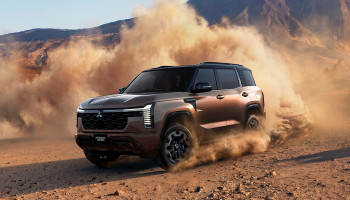
Maxus focuses on commercial mobility solutions, with models such as the eTerron 9 pickup and MIFA 9 MPV contributing to its lineup in electric utility and people-mover segments.

Wuling operates in the mass-market and entry-level EV segment, known for compact urban electric vehicles. Its Binguo EV is already on the market, while upcoming models such as the Eksion EV, Mini EV variants, and Darion MPV expand its portfolio into small cars and family-oriented electric MPVs.
IM Motors represents SAIC’s premium electric and intelligent vehicle line, positioned above MG within the group’s brand structure. It focuses on larger, technology-focused EVs and is already present in Nepal, where it is gradually expanding its presence in the premium electric vehicle segment.
Interestingly, the 100 millionth vehicle was an IM LS9 Hyper, delivered to Momenta CEO Cao Xudong, marking the symbolic production milestone for the group’s cumulative output.
In Nepal, MG is currently the most visible SAIC-linked brand in the passenger EV space, Wuling is gradually entering the market through compact urban EVs, and IM Motors is positioned as a niche premium EV option.
Industry observers view SAIC’s milestone as indicative of the scale achieved by Chinese automotive manufacturing over time, supported by domestic demand, export diversification, and increasing alignment with global electrification trends.

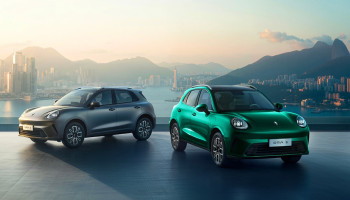
GWM Ora 5, Tank 300 Win International Awards at TADA 2026
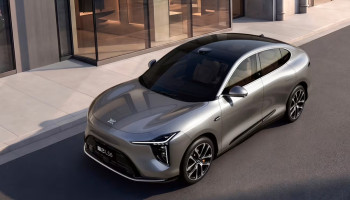
New IM LS6 Revealed in China With Chassis and Cabin Upgrades

China’s August EV Best-Sellers Include Several Models Sold in Nepal