Haval Jolion Max EV: Making A Case For GWM



GWM is a brand that, in our opinion, deserves to be spoken about in the same conversation as some of the more established names in Nepal's automotive market. At the very least, it has the potential to be.
Great Wall Motor has some genuinely interesting products in its portfolio, and we get occasional reminders of that on our roads.

Every now and then you see a Tank 500 go past, or spot one of the few Tank 300s that have made their way onto Nepali roads, and you can't help but stop and take notice.
These aren't cars that blend into the traffic, and they show what GWM is capable of when it gets its products right. But that potential hasn't quite translated into the kind of success you might expect.

The Haval Jolion, which was one of the models that helped introduce GWM to Nepal back in 2021, never really took off in the way the company would have hoped. And while the ORA has managed to carve out a presence in Nepal's EV market, there is still a feeling that the numbers could, and perhaps should, be better.
That makes GWM an interesting brand to watch. Because the issue isn't necessarily a lack of interesting cars. If anything, it is the opposite.
GWM has shown that it can build SUVs that are distinctive, well-equipped and genuinely desirable. What it hasn't quite managed yet is turning that product strength into the kind of widespread acceptance and road presence enjoyed by some of its rivals. And that brings us to the car we're driving today.
The Haval Jolion Max EV makes a pretty strong case for GWM. It is a large, well-equipped electric SUV with a premium-feeling cabin, strong performance and a feature list that leaves very little to complain about.
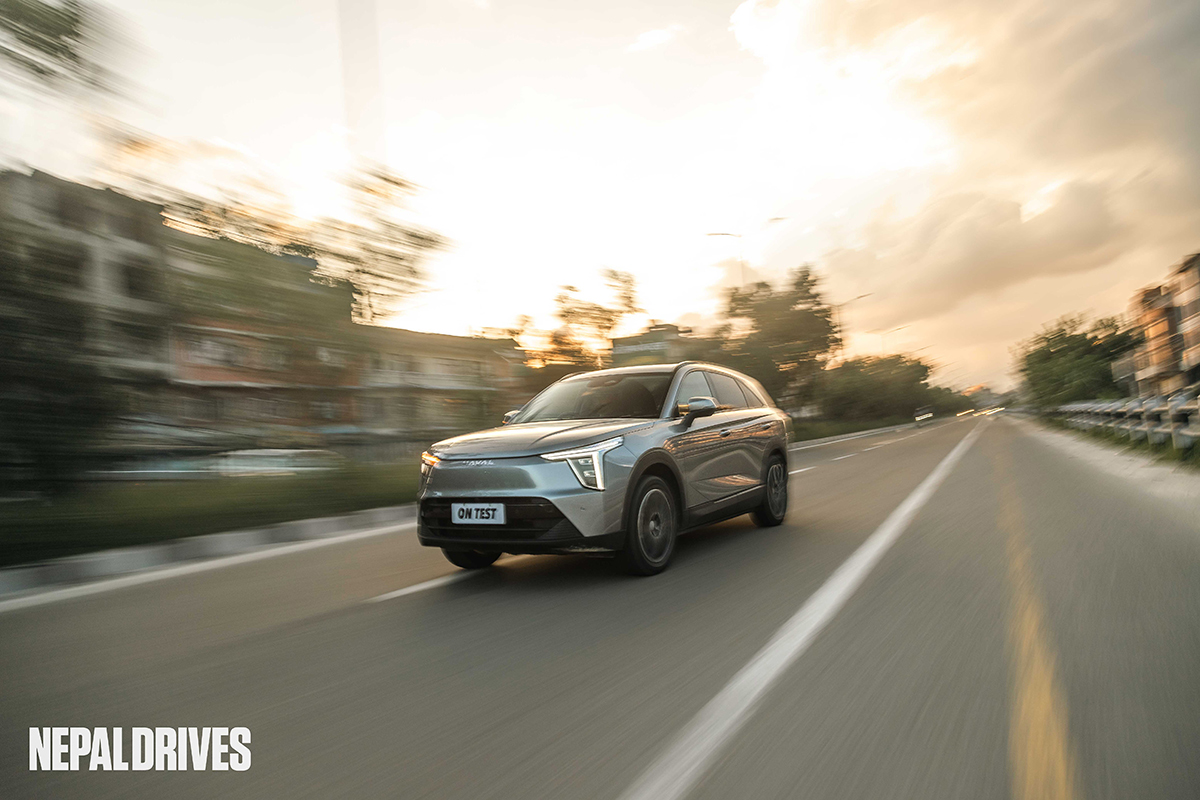
More importantly, it is the sort of car that makes you wonder whether GWM's biggest challenge in Nepal has really been its products or everything surrounding them. The question is whether this is finally the car that can make a stronger case for GWM in Nepal. And we think it might be.
EXTERIOR
The term SUV is thrown around rather loosely these days, but with the Haval Jolion Max EV, there is little doubt that you are dealing with a fairly substantial vehicle.
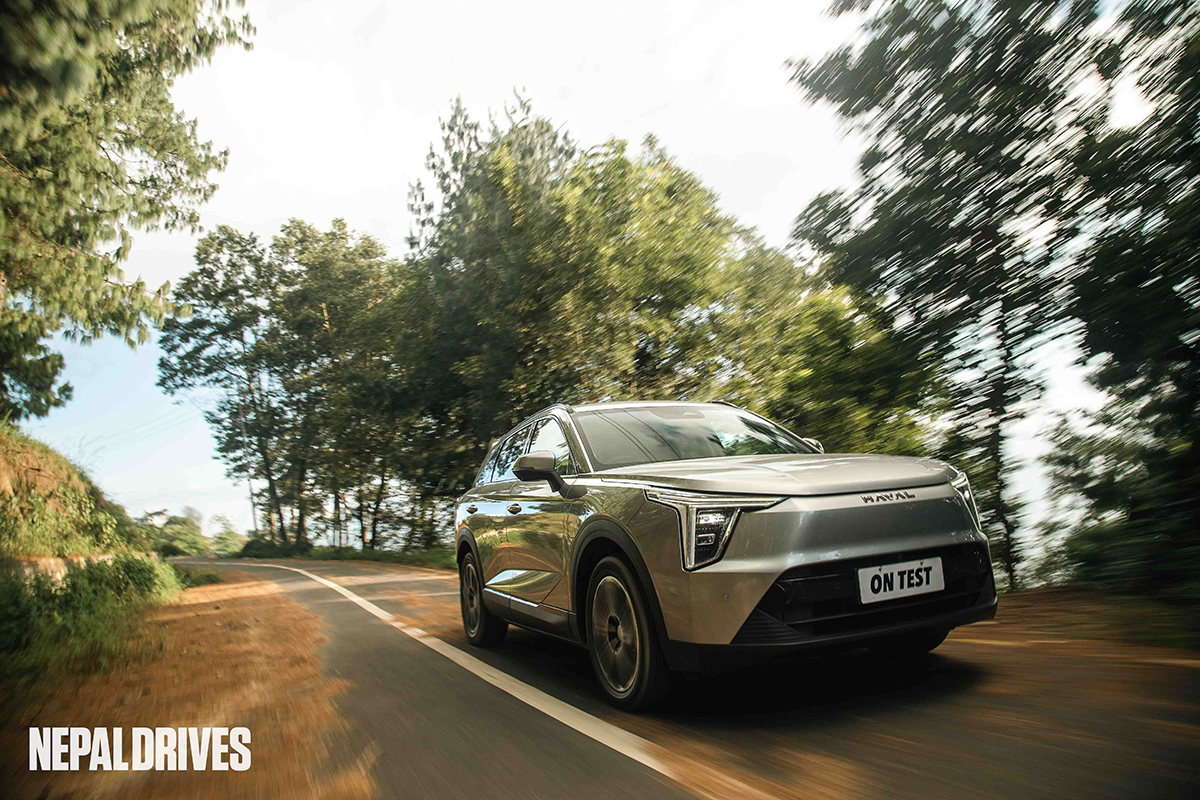
At 4,590mm long, it has the dimensions and road presence you would expect from a proper family SUV rather than a crossover pretending to be one. And unlike some of Haval's earlier models, the Jolion Max EV doesn't go overboard with its styling.
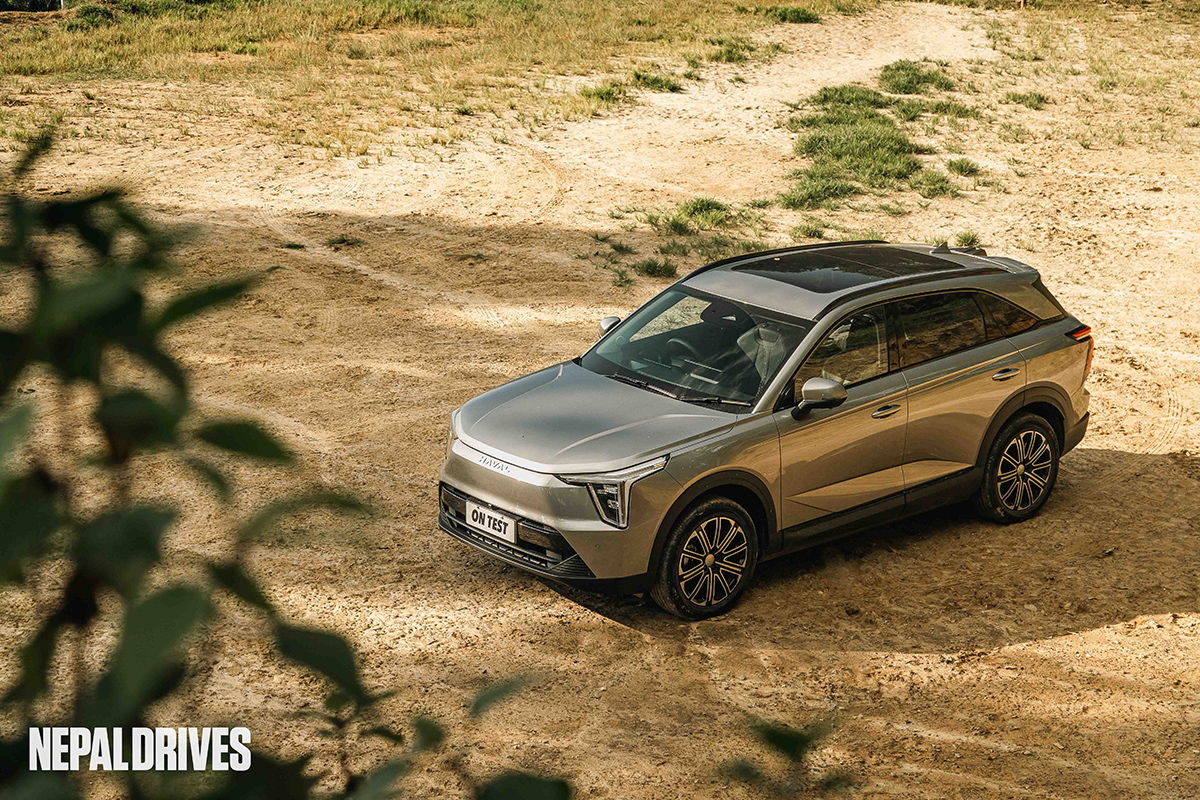
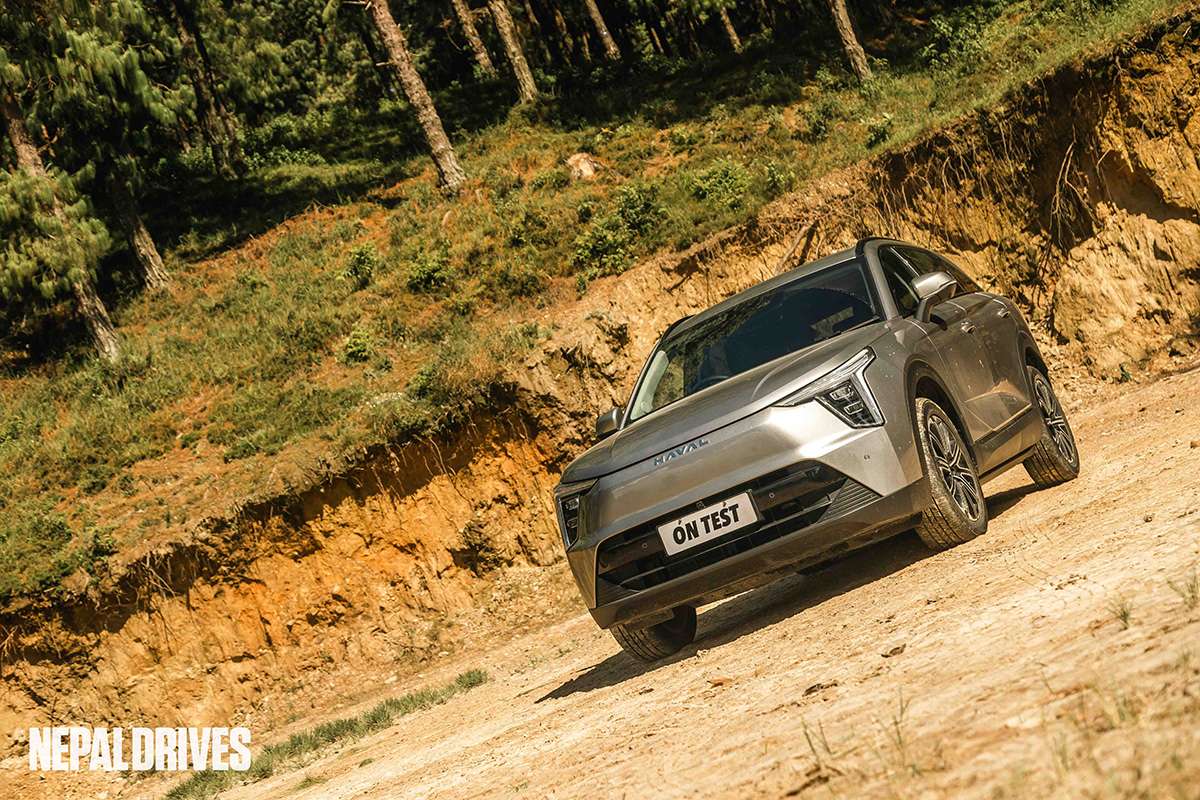
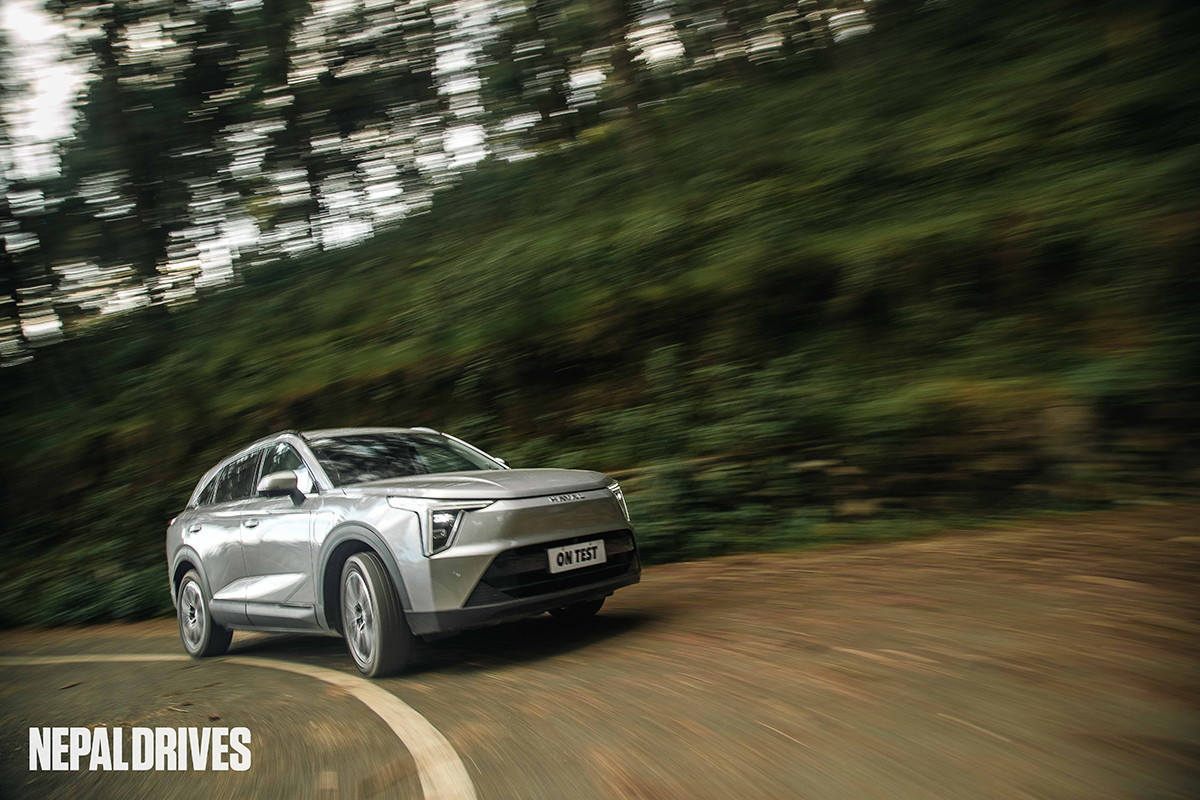
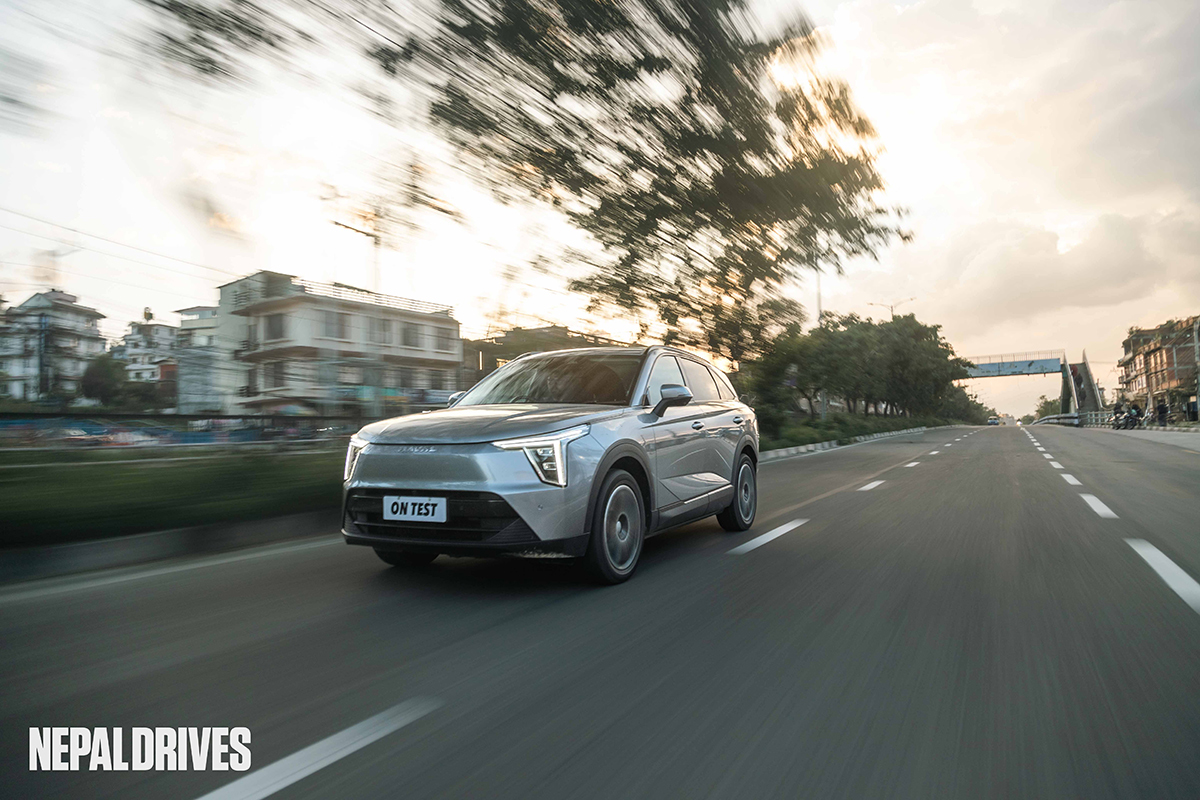
The front end is relatively clean, with the Haval badge taking centre stage while the rest of the design is allowed to breathe. We particularly like the raised sections on the bonnet, which give the front end some character without making it look unnecessarily aggressive.
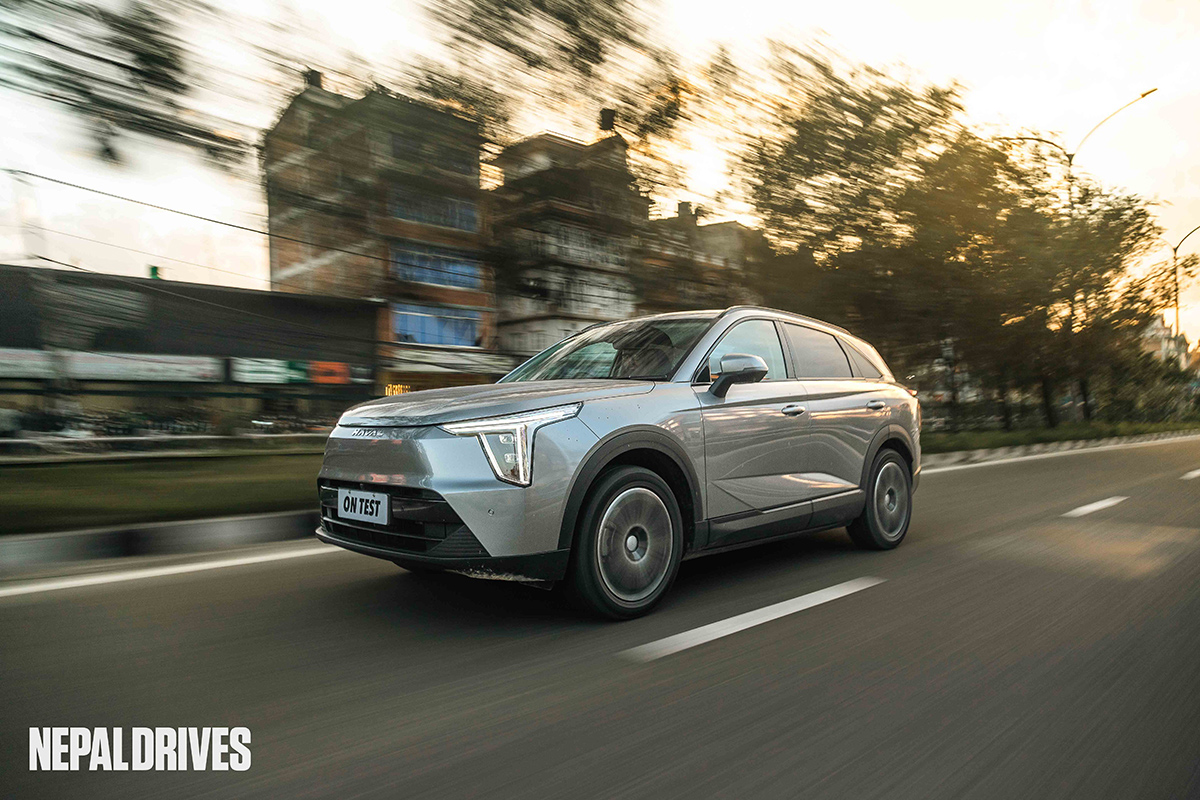
The LED projector headlights incorporate the indicators and add a fairly sophisticated touch to the front. There are also some familiar design influences elsewhere; the headlights have a hint of the Vigo about them, while the 19-inch alloy wheels have a design that will remind you of the BYD Sealion 7.
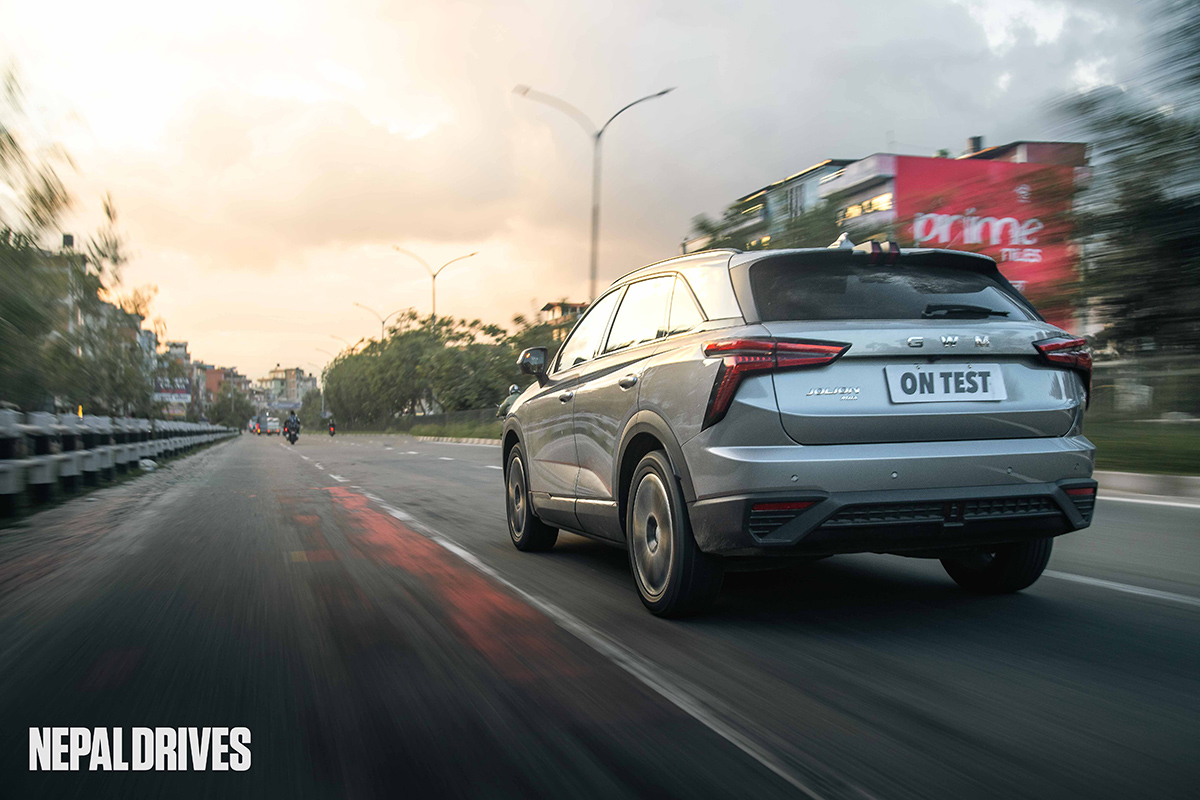
Move around to the side and the Jolion Max EV settles into a more conventional SUV profile. There is a prominent shoulder line running towards the rear lights, while the roof doesn't taper excessively towards the back. That gives the car a relatively upright and muscular stance.
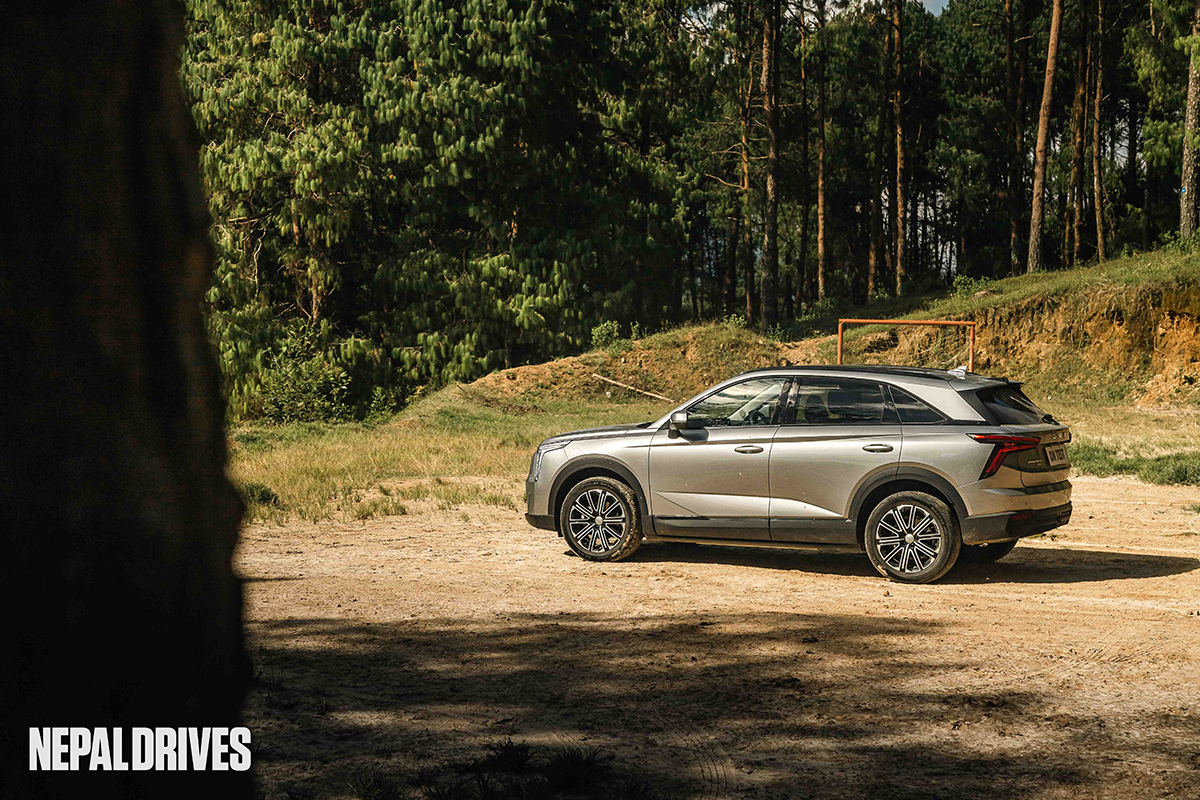
At the rear, the roof spoiler gets an interesting brake-light treatment inspired, at least visually, by Formula One. The rear also has a fairly useful departure angle, which should make negotiating steeper approaches and departures a little easier.
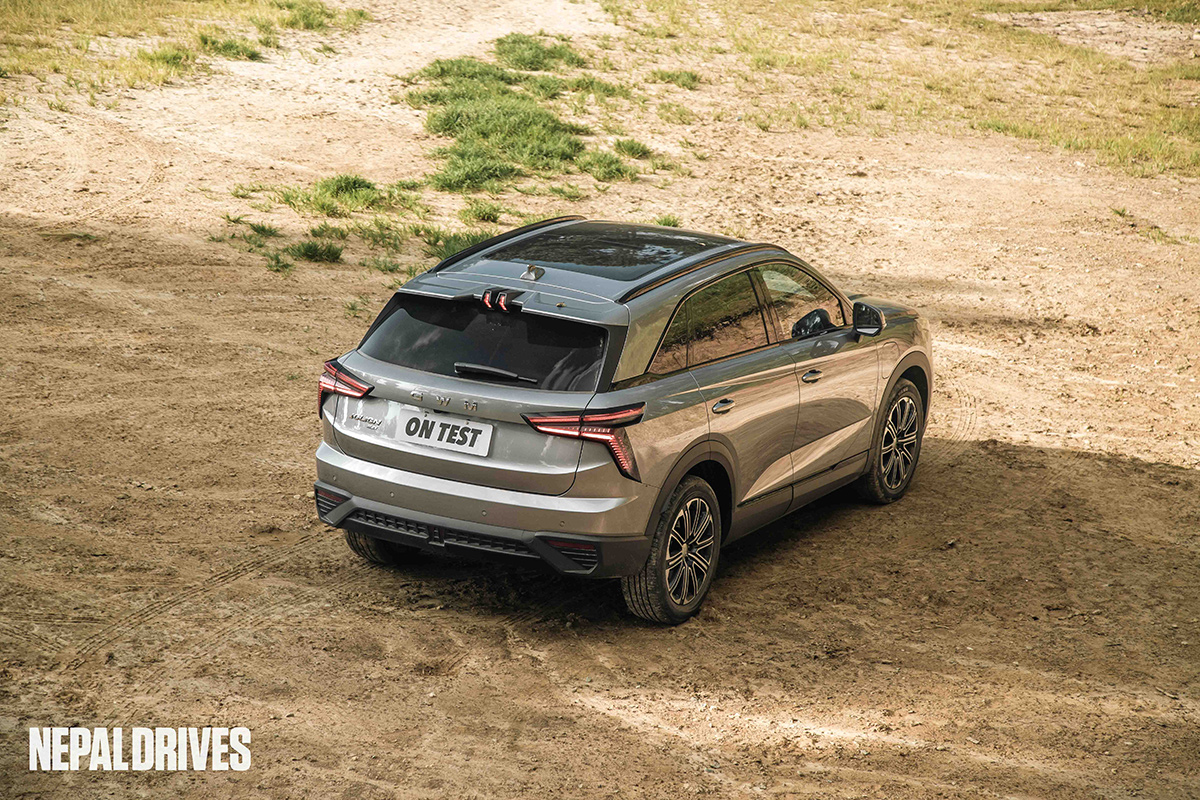
The 19-inch wheels also fill the arches nicely, and the combination of the large wheels and relatively restrained cladding gives the Jolion Max EV a well-proportioned look.
Overall, we think GWM has got the design balance right here. It looks modern enough to stand out, but it still retains the familiar proportions and visual cues of a traditional SUV.
INTERIOR & FEATURES
The cabin follows an all-black theme, with what appears to be suede or Alcantara-like material combined with soft-touch surfaces and wood-effect trim. The latter is used across the centre console and doors, and we think it has been integrated particularly well rather than simply being added for the sake of looking expensive.
One of our favourite details is actually the air vents. They have been neatly integrated into the dashboard and can be individually adjusted, giving the cabin a more cohesive appearance.
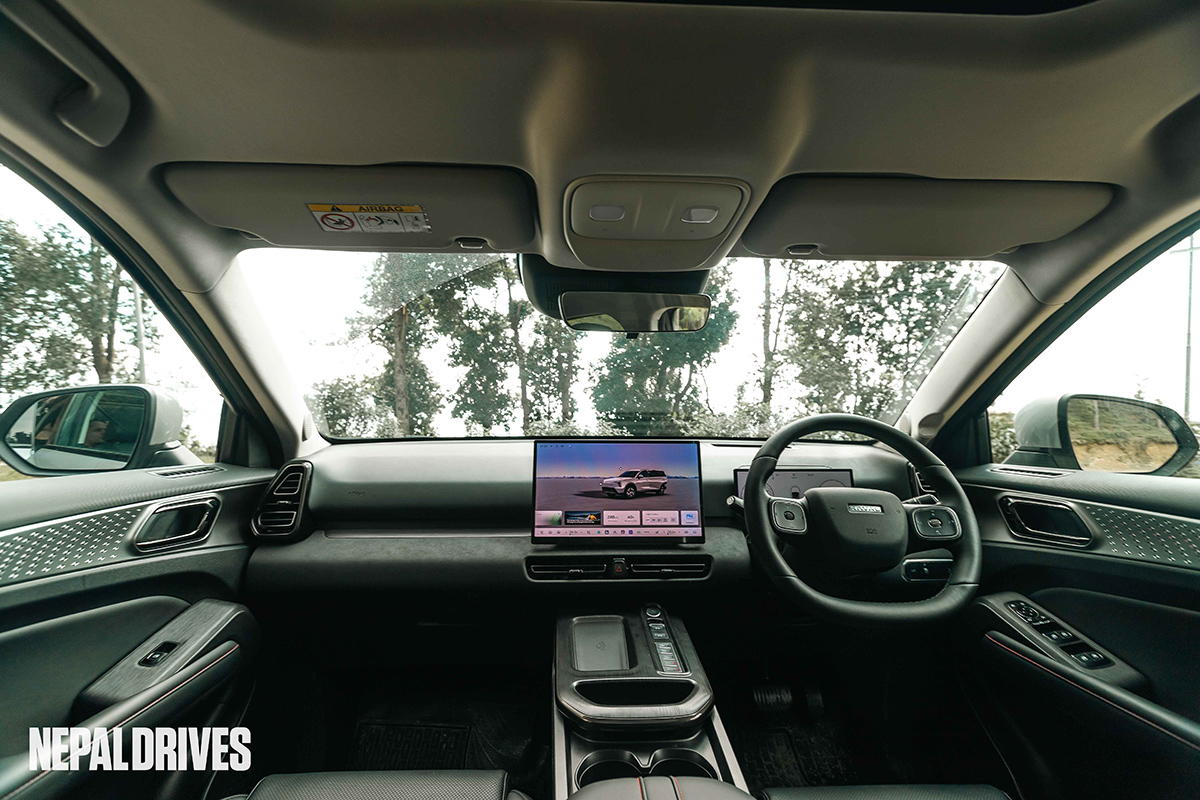
The front seats are comfortable and offer decent side bolstering. Both front seats are electrically adjustable, while the driver's seat gets heating and ventilation and the passenger gets heating. The steering wheel is heated as well, which can come in handy during the few extremely frigid winter mornings of Nepal.
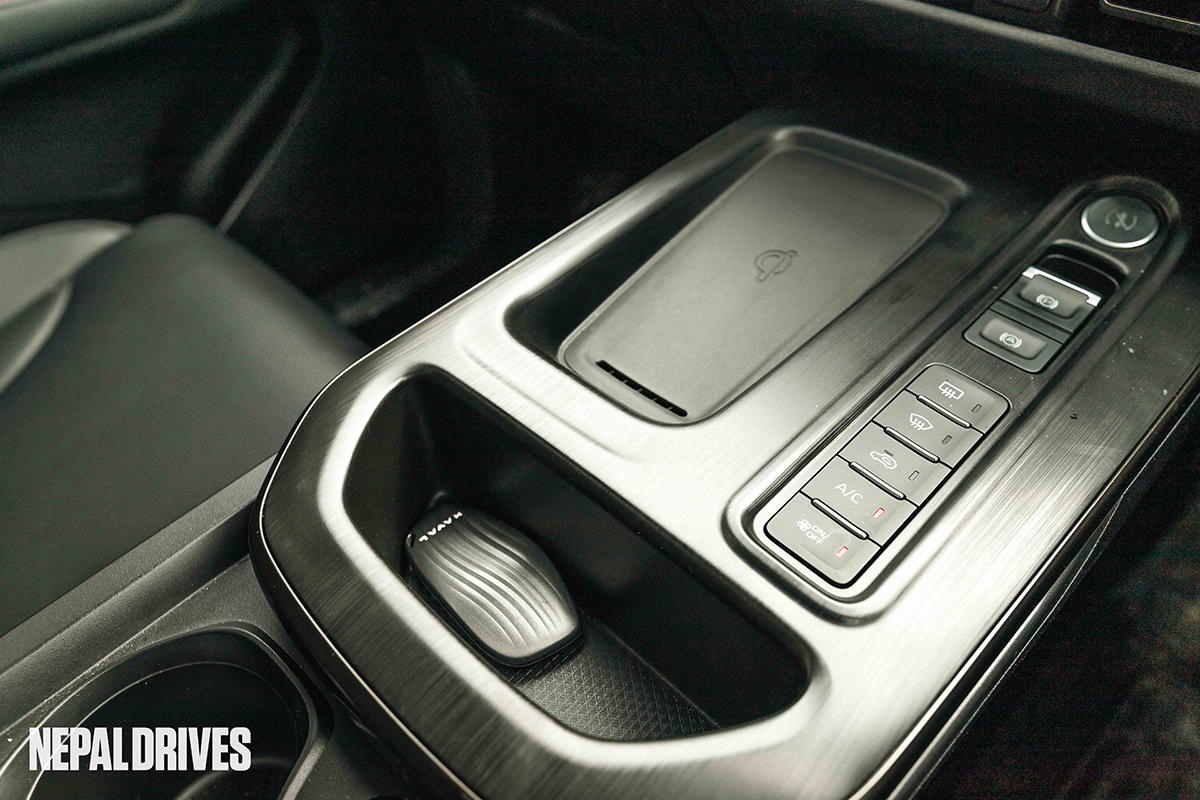
There is also a wireless charging pad on the centre console, alongside physical controls for some of the air-conditioning functions. Storage hasn't been overlooked either. You get cupholders, various compartments around the centre console, door pockets large enough for a 1-litre bottle, and USB ports positioned where they are easy to reach.
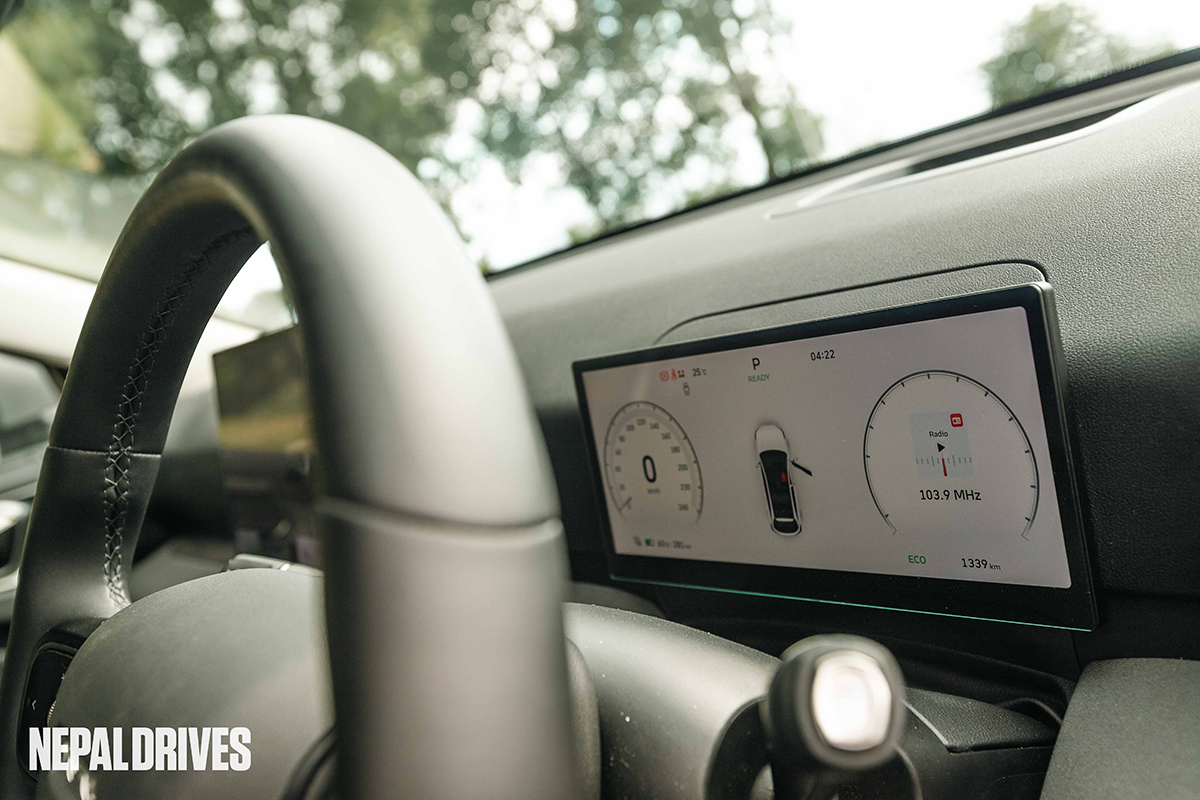
Even the smaller details feel nicely considered. The stalks have a satisfying tactile feel, while the gear selector is mounted on the right side of the steering column, leaving the centre console relatively uncluttered.
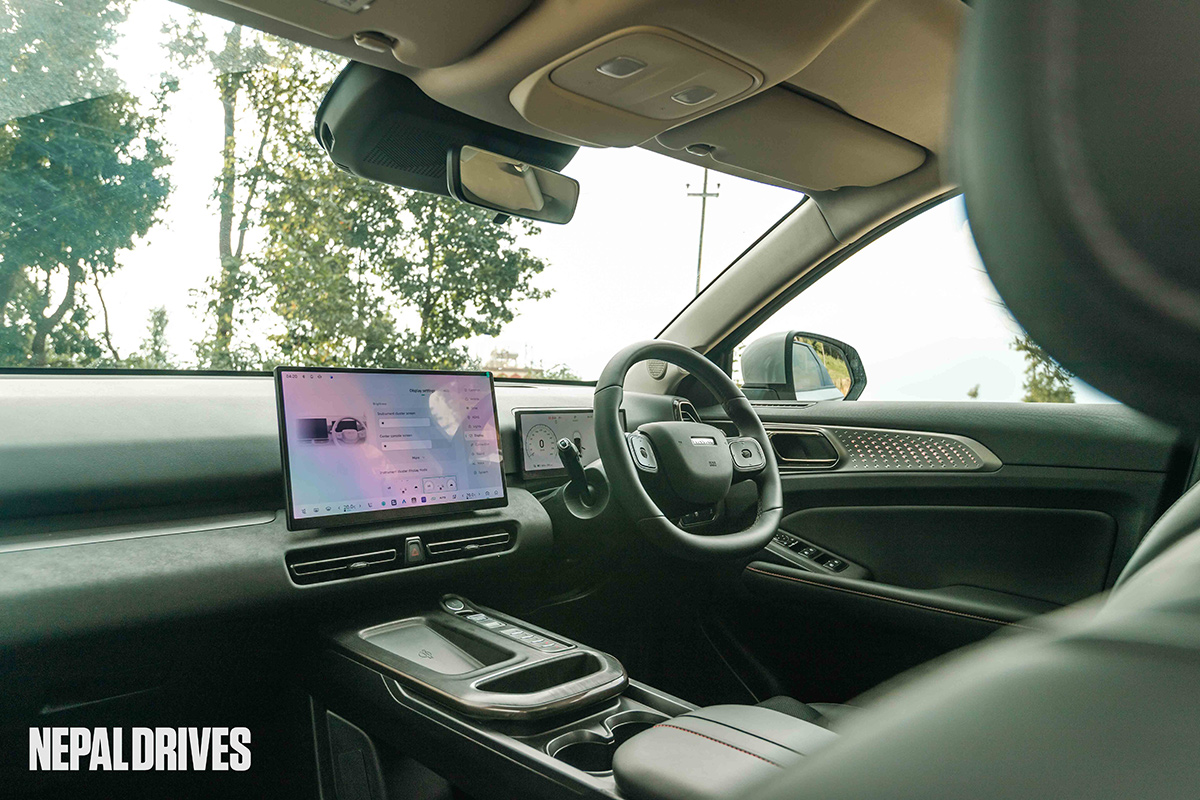
Dominating the dashboard is a 14.6-inch touchscreen, which handles a large number of the vehicle's functions. It is responsive and reasonably intuitive to use.
There's also a 10.25-inch digital instrument cluster, although we found us relying more on the head-up display while driving. The HUD provides the essential information, including speed and driving mode, without requiring you to take your eyes away from the road. And then there's the panoramic sunroof. It is a sizeable unit, with both the shade and glass roof operated electronically.
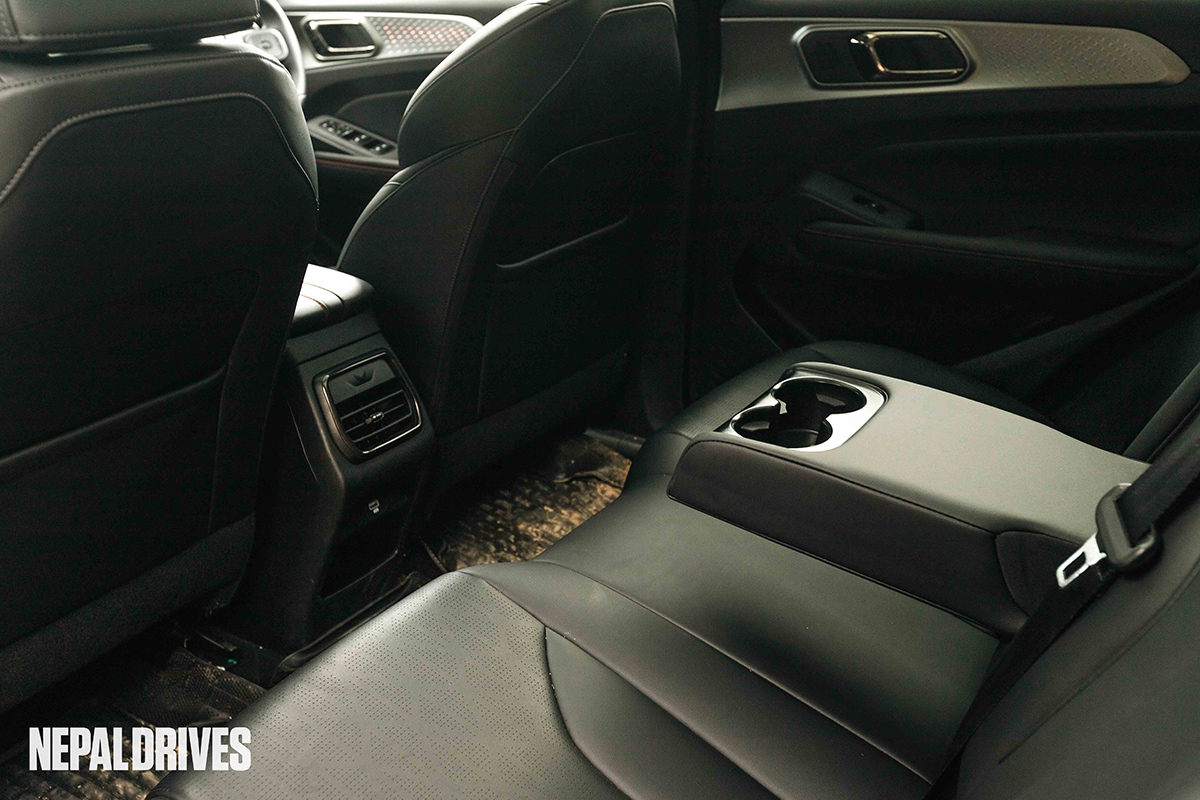
The rear seat is another strong point. Even with the front seat adjusted to accommodate a taller driver, there is plenty of knee and headroom. Three people can sit across the back, and you get a fold-down centre armrest with cupholders, a middle headrest and a map pocket.
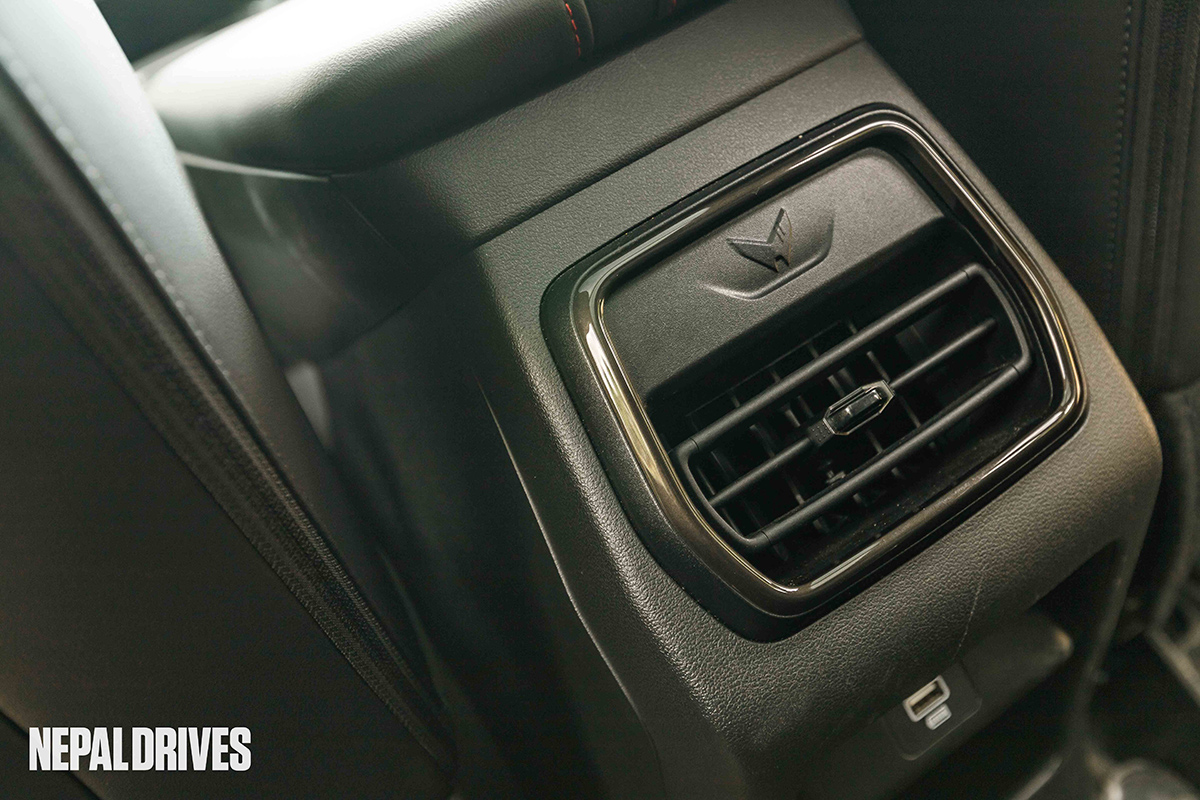
There are also rear air vents, a phone pocket, USB-A charging ports and a reading light. It isn't quite as premium back here, however. There is noticeably more hard plastic used in the rear compared with the front cabin. The seats could also offer a little more thigh support.
You get an electronically powered tailgate that opens to reveal a generous boot. There is a tonneau cover, additional storage underneath and access to the spare wheel, although the spare isn't full-sized. Still, as a family SUV, the Jolion Max EV does a very good job of combining space, comfort and equipment.
And the equipment list is extensive and includes features such as a 360-degree camera, blind-spot monitoring, lane-change assist, front and rear parking sensors, adaptive cruise control, collision warning and various other driver-assistance systems.
PERFORMANCE
The Jolion Max EV drives like the large car that it is. There is a sense of weight and solidity to the way it moves, but that doesn't mean it feels slow. Far from it. The electric motor delivers its power immediately, and the car gathers speed surprisingly quickly for something of this size.
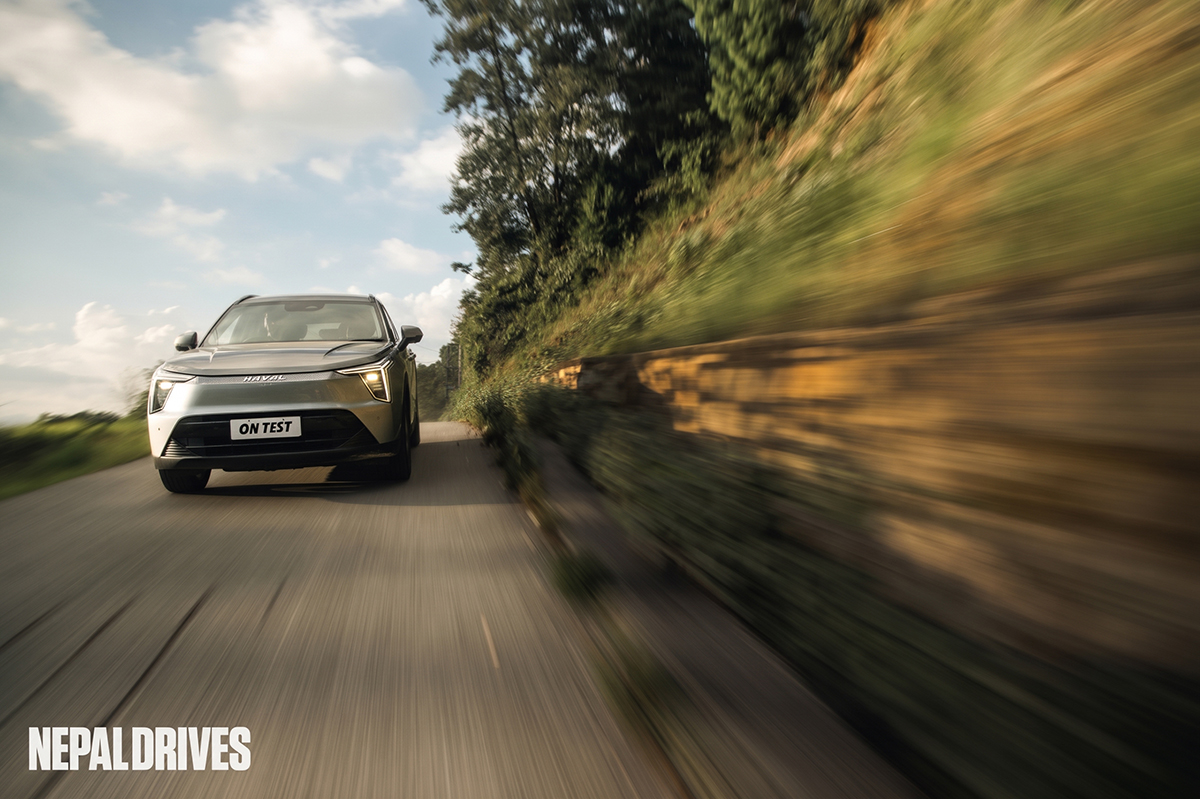
It gets a 150 kW electric motor with 260 Nm of torque that provides acceleration that can be surprisingly easy to get carried away with. That motor is paired with a 58.3 kWh battery claiming more than 400 kilometres of range on the WLTC cycle.
There are multiple driving modes, including Eco, Normal, Sport and Snow, and you can either select them through the touchscreen or assign functions to the configurable steering-wheel buttons.
Interestingly, Eco is probably the mode we would spend most of my time in. It still has plenty of performance for everyday driving, and even overtaking on the highway doesn't leave you wanting for power. Normal gives you more immediate response when you need it, while Sport brings out the full potential of the motor.
And when we say full potential, we mean it. Sport mode makes the Jolion Max EV properly quick. Snow mode, meanwhile, is useful when traction becomes an issue, particularly on slippery or loose surfaces.
The one area where we think the driving experience could be improved is the steering. It is very light, even in its Sport setting.
That's fantastic when you're navigating tight city streets because you can manoeuvre the car with very little effort. But when you're travelling quickly on a highway, the steering doesn't give you as much connection to the front wheels as we would like from a vehicle of this size.
The steering is very electronically assisted and, even with the heavier setting selected, lacks some of the natural feedback that would make the car feel more engaging.
Visibility is another slight weakness. The A-pillars have a fairly aggressive rake, creating a sizeable blind spot when negotiating tighter corners. The pronounced bonnet haunches also look good but can make it difficult to judge exactly where the front-left corner of the car is until you've spent some time getting used to its dimensions.
The exterior mirrors could also be larger. Thankfully, blind-spot monitoring is included, and that's particularly useful when dealing with Kathmandu's traffic.
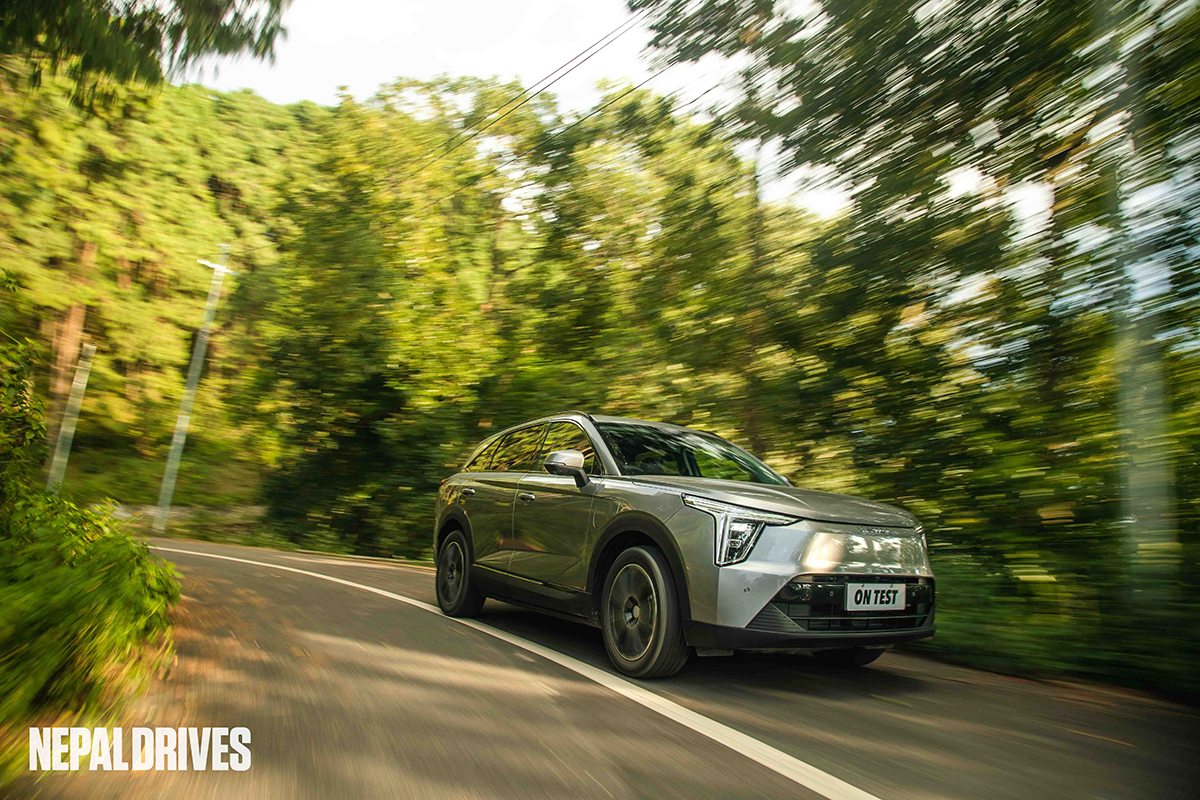
The suspension, on the other hand, is quite impressive. You get MacPherson struts at the front and a multi-link setup at the rear. It strikes a good balance between comfort and control. The car remains composed through corners, and body roll is present but well controlled.
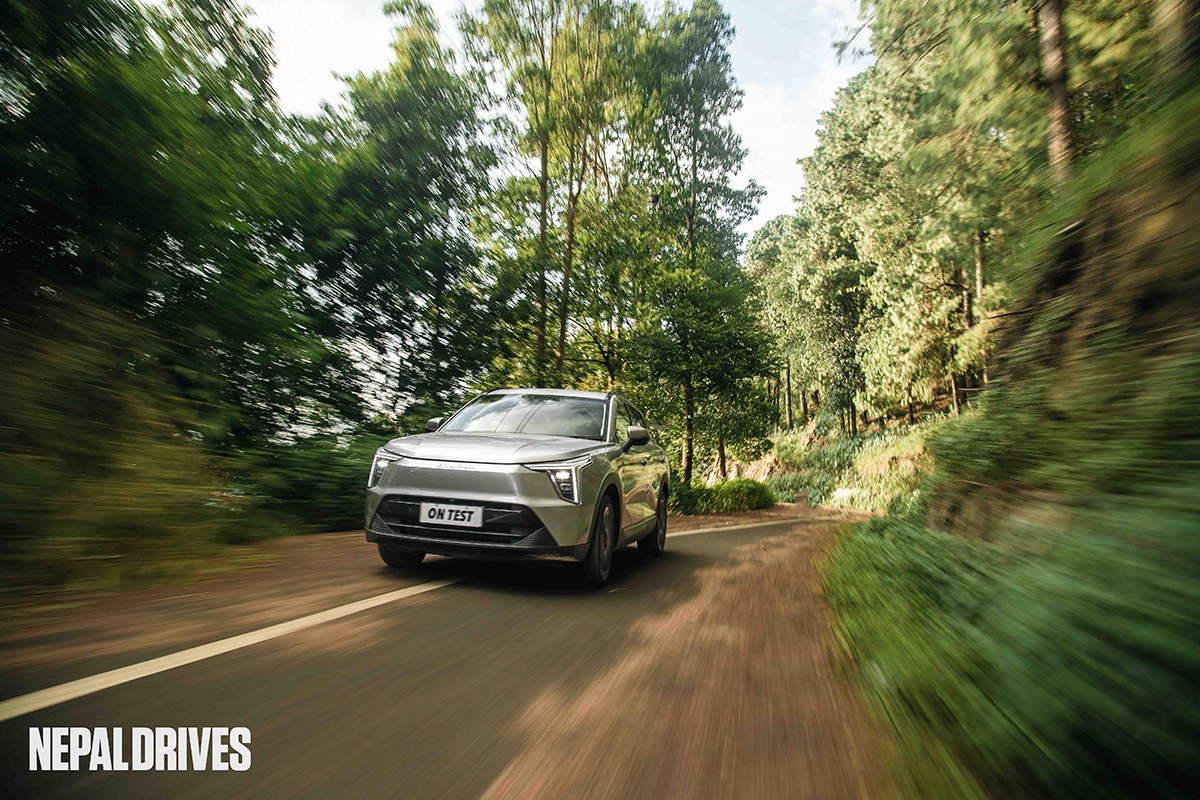
On faster roads, the Jolion Max EV feels planted and stable. It doesn't pitch excessively under acceleration, and the suspension has enough stiffness to let you carry decent speed through corners without the car feeling unsettled.
The car also gets three levels of regenerative braking. Low is barely noticeable, Normal offers a good middle ground and Strong introduces a more pronounced deceleration effect when you lift off the accelerator. We found Normal to be the most usable setting.
Another particularly useful feature is the 360-degree camera system. The system gives you a view around the vehicle and can make navigating tight spaces considerably easier. It also has a clever visualisation that shows obstacles around and underneath the vehicle.
But there is an important caveat: that underneath-the-car view is reconstructed from the cameras as you drive over an obstacle. It should not be treated as a live sensor that can guarantee nothing is underneath the car. If you suspect an animal or object is under the vehicle, you still need to physically check.
Overall, though, the Jolion Max EV is a very easy car to drive. It is fast when you want it to be, comfortable enough for long drives, stable at speed and easy to manoeuvre in the city. The steering is really the only major dynamic weakness I found.
VERDICT
The Haval Jolion Max EV has a pretty good formula.
It looks like a proper SUV without going overboard with styling, the cabin feels genuinely premium in places, there is plenty of space for a family and the equipment list is extensive. Most importantly, it is also a very good car to drive.
The combination of a powerful electric motor and well-balanced suspension means the Jolion Max EV can be both comfortable and surprisingly quick. You can potter around town in Eco mode, cruise comfortably on the highway in Normal mode and have quite a bit of fun when you select Sport.
There are compromises, of course. The steering is too light for our liking, visibility towards the front could be better and some of the smaller bumps in the road are more noticeable than they should be. The rear cabin also doesn't feel quite as premium as the front. But those are relatively small complaints when you consider the overall package.
At Rs. 61 lakh, the Jolion Max EV certainly isn't an inexpensive car, but it doesn't feel like a bad deal either. You are getting a sizeable electric SUV with strong performance, plenty of technology, good space and a long list of features.
The bigger question, particularly in Nepal, is not necessarily the car itself. It is the confidence buyers have in the brand after they have driven it out of the showroom. As the review transcript points out, stronger after-sales support and service would go a long way towards giving customers greater confidence in the product.
And that is important because the Jolion Max EV itself is a convincing product. GWM has a good electric SUV on its hands; now it needs to build the ownership experience around it.

Changan Nevo Q05: Makes Sense
Jetour T2: Ready 2 Rumble
Arcfox T1: Into The Thick of It