
What the Recent Unrest Means for Nepal’s Auto Industry



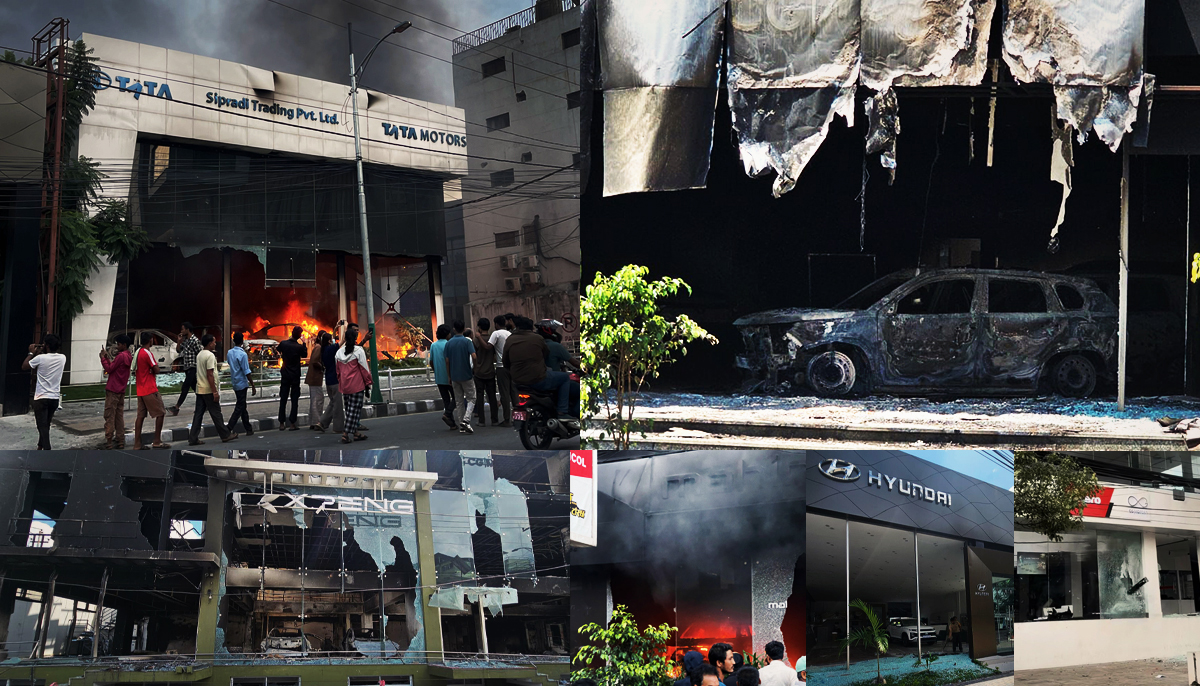
In recent days, the nation has endured an unprecedented crisis. Most tragically, lives have been lost, while scenes of widespread devastation to public and private property are being broadcast across news outlets and shared extensively on social media. Amid the destruction of longstanding historical landmarks and public infrastructure, large parts of Nepal’s automotive sector have also been severely affected.
The visuals are hard to miss; cars, offices, and showrooms that have been part of Nepal’s automotive landscape reduced to rubble. For many, these images are shocking, but they also raise questions about what comes next for the automotive sector, the people who work in it, and the communities that rely on it.


Auto showrooms are more than just spaces for buying and selling vehicles. They are workplaces, service centers, and a key part of local business communities. Sales staff, mechanics, and support teams depend on these spaces for their livelihood. Customers rely on them for guidance, after-sales support, and access to vehicles. When showrooms are destroyed, it isn’t just property that is lost, it’s a network of people, services, and trust that gets disrupted.
The events highlight how quickly public sentiment can affect sectors that are visible symbols of investment. While the destruction is alarming, it reflects broader social currents that go beyond any single industry. Public anger often finds its way toward structures that represent wealth or progress, making businesses like showrooms, offices, and commercial complexes unintended targets.
At the same time, Nepal’s automotive sector was already undergoing change. Electric vehicles and increased imports have been slowly reshaping the market, while events like the recently concluded NAIMA Nepal Mobility Expo and the NADA Auto Show were helping build consumer confidence. The youth-driven movement, however, adds another layer of uncertainty to an industry already navigating transformation.
With a new interim government now in place, the sector faces pressing questions: How quickly can businesses rebuild and restore services? Will consumers feel confident returning to showrooms or making vehicle purchases? What policies will the administration introduce to stabilize the market, support employees, and encourage investment?
These are questions both industry stakeholders and the public will be watching closely.
For consumers, the events may shift perceptions about vehicle ownership, dealership reliability, and long-term investments. Many will be looking for reassurance before making major purchase decisions. For employees and smaller businesses connected to the sector, the path forward is even more uncertain, as livelihoods are directly affected.
Ultimately, these events are a reminder of the fragility of business during times of social change, while also highlighting the resilience required to recover. Nepal’s automotive sector has faced challenges before, from policy changes to infrastructure gaps, and while this is a significant disruption, it is not the end. How businesses, consumers, and the government respond in the coming weeks will shape the future of mobility in the country.
For now, the focus is on observation and cautious recovery. The burnt showrooms and damaged complexes tell a story of anger, frustration, and change. But they also mark a turning point for Nepal’s auto industry; one that will demand resilience and forward-looking strategies.

Omoda Jaecoo Continues Nepal Premier League Partnership for 2026

Same Same, But Different: MG and Wuling's EV Battle