
Unitree G1, G01 and Deepal eVTOL: Futuristic Tech Stealing the Spotlight at NADA Auto Show 2025



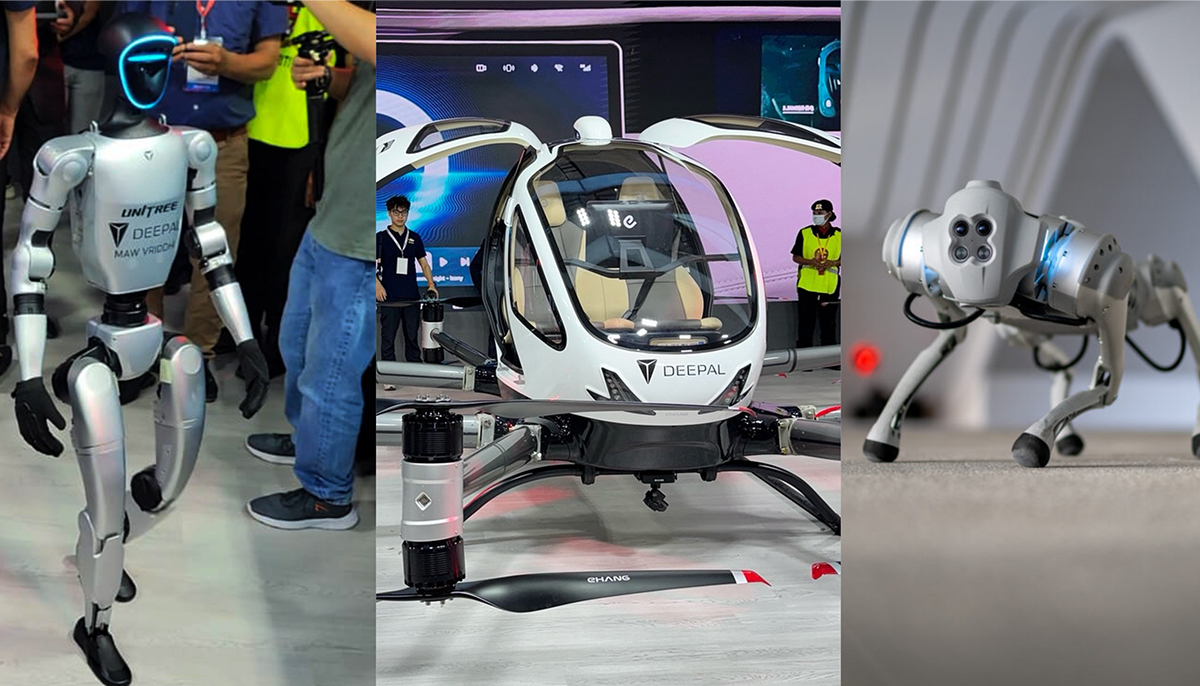
The NADA Auto Show 2025 is offering a glimpse into the future of mobility. For the first time in Nepal, visitors are experiencing humanoid robots that can walk and perform tasks, quadruped robots that interact intelligently, and the country’s first-ever flying car showcase.
Among all exhibits, the Unitree G1 humanoid robot, Unitree G01 quadruped robot, and Deepal eVTOL flying car are stealing the spotlight. These technologies highlight the potential of robotics and urban air mobility while showing how innovation can inspire both the public and the industry.

Unitree G1: The Humanoid That Moves Like Us
The Unitree G1 is a 1.32-meter-tall humanoid with 23 degrees of freedom, capable of walking, running, jumping, and performing precise tasks. LiDAR and depth cameras allow it to navigate complex environments and recognize objects, making it ideal for research, education, and controlled industrial applications.
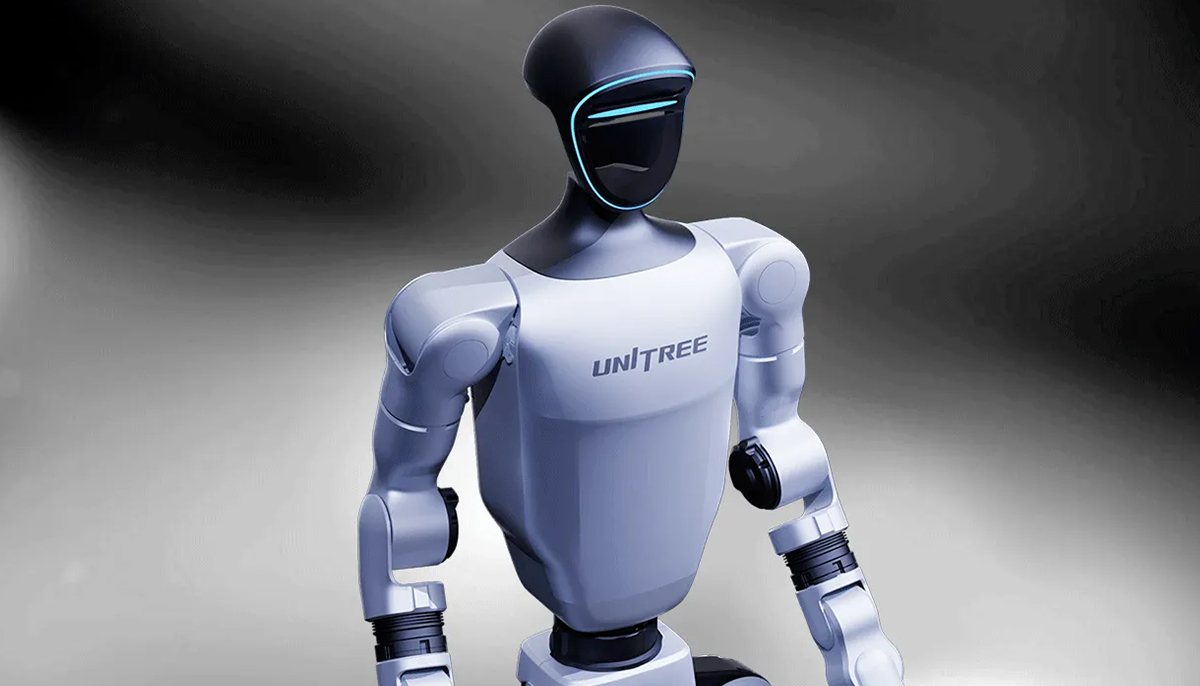

Powered by Unitree’s UnifoLM AI, the G1 can learn through imitation and adapt to new tasks. While its capabilities are impressive, it remains experimental in markets like ours, requiring technical expertise and offering limited commercial use. Still, it provides a clear vision of how humanoid robots could integrate into everyday life in the near future.
Unitree G01: The Agile Quadruped Companion
The Unitree G01 is a 12 kg quadruped that can run at 4.7 m/s, navigate obstacles, and follow users with its Intelligent Side-Follow System. Its cameras and sensors allow autonomous navigation, making it suitable for education, research, and interactive demonstrations.
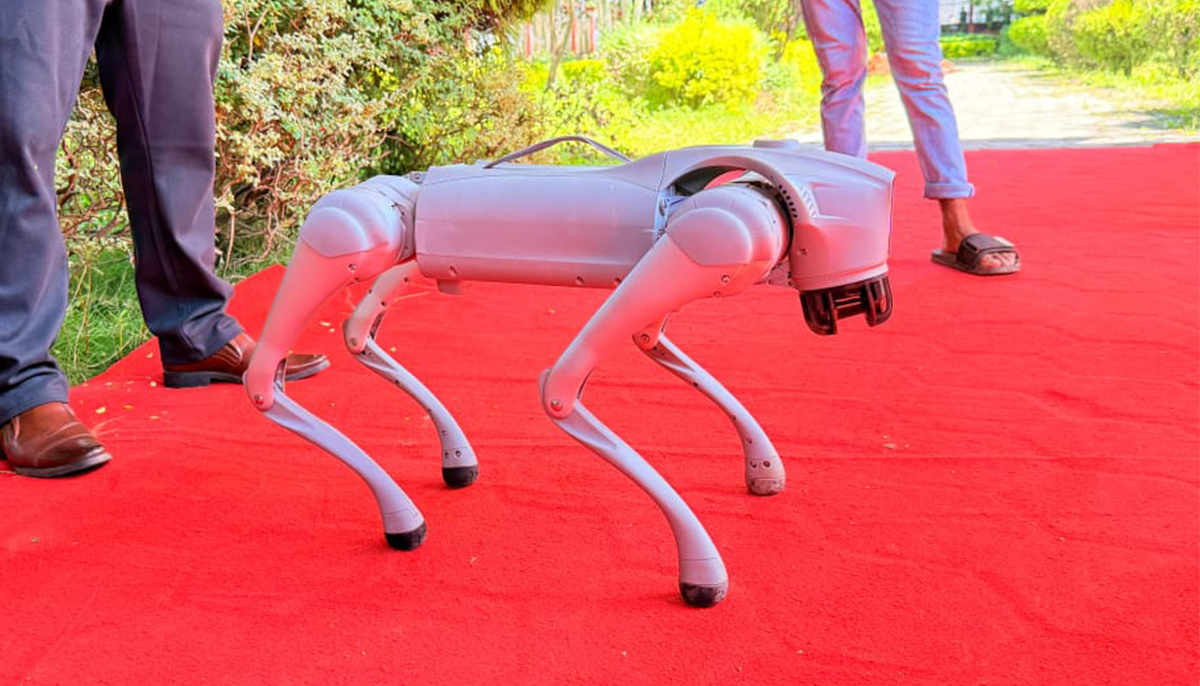
Despite its agility and responsiveness, the G01 has limitations. Short battery life and uneven terrain can affect performance, and practical applications in Nepal are still limited. Nonetheless, it offers a glimpse of how intelligent robots could assist humans and interact naturally in daily life.
Deepal eVTOL: Nepal’s First Flying Car
The Deepal eVTOL is stealing the spotlight as Nepal’s first flying car, capable of vertical take-off and landing. It demonstrates the potential for urban air mobility, hinting at a future where traffic jams could be bypassed in the skies.
However, eVTOLs face significant hurdles. Many aspects of these vehicles are not yet legally permitted, from airspace regulations to safety certifications. Limited range, high costs, and a lack of infrastructure restrict practical adoption at present.
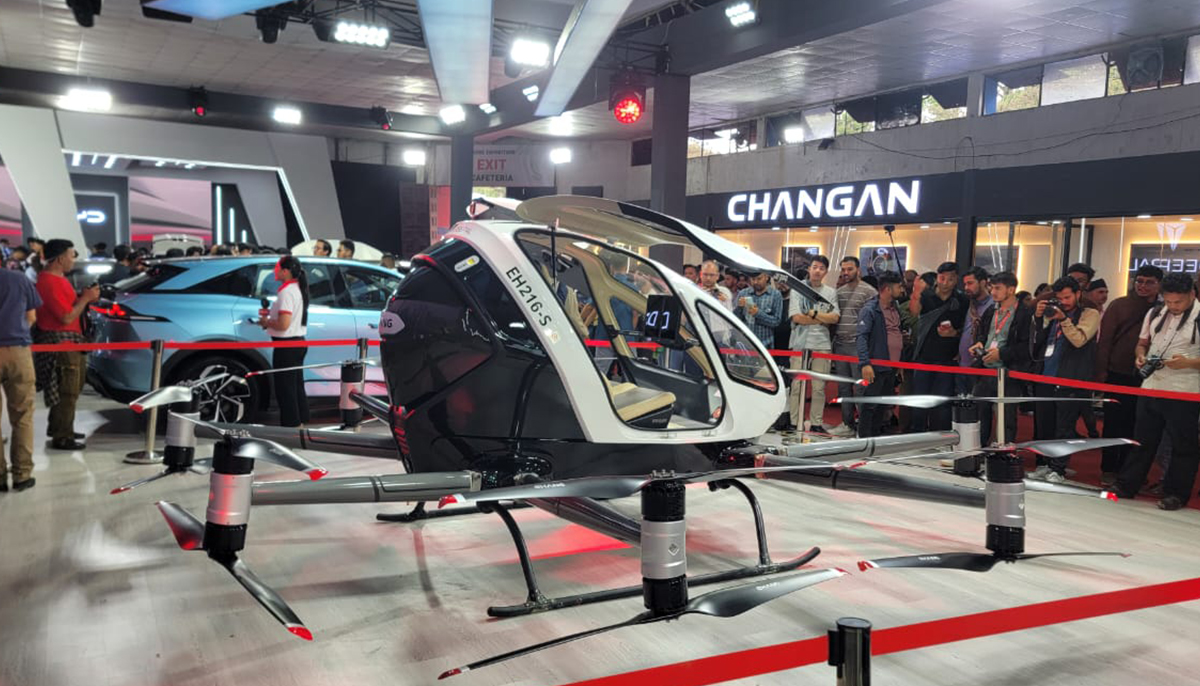
Still, showcasing the Deepal eVTOL is crucial, as it allows the public and policymakers to envision the future of mobility and inspires the industry to innovate beyond conventional vehicles.
Emerging Tech in Nepal: Pros and Cons
Humanoid and quadruped robots like the G1 and G01 offer impressive AI, mobility, and interactive capabilities. They provide educational and research opportunities while sparking public interest. At the same time, they remain experimental, require expertise to operate, and have limited practical use locally. High costs and infrastructure requirements also limit accessibility, making them primarily tools for education and research rather than commercial deployment.
The Deepal eVTOL introduces a revolutionary concept for urban transport, showing what future mobility could look like. Yet legal hurdles, high costs, and limited infrastructure make it mostly a vision for now. Auto shows that highlight such technologies play an important role in inspiring innovation and giving a tangible glimpse of what the future might hold.




Changan Nevo Q05 Delivered to Five Nepali Celebrities

Omoda Jaecoo Continues Nepal Premier League Partnership for 2026