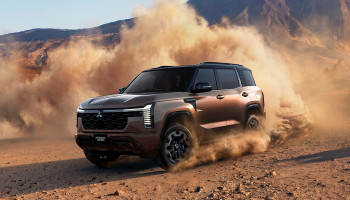
China Drives Forward in Sodium-Ion and Solid-State EV Batteries





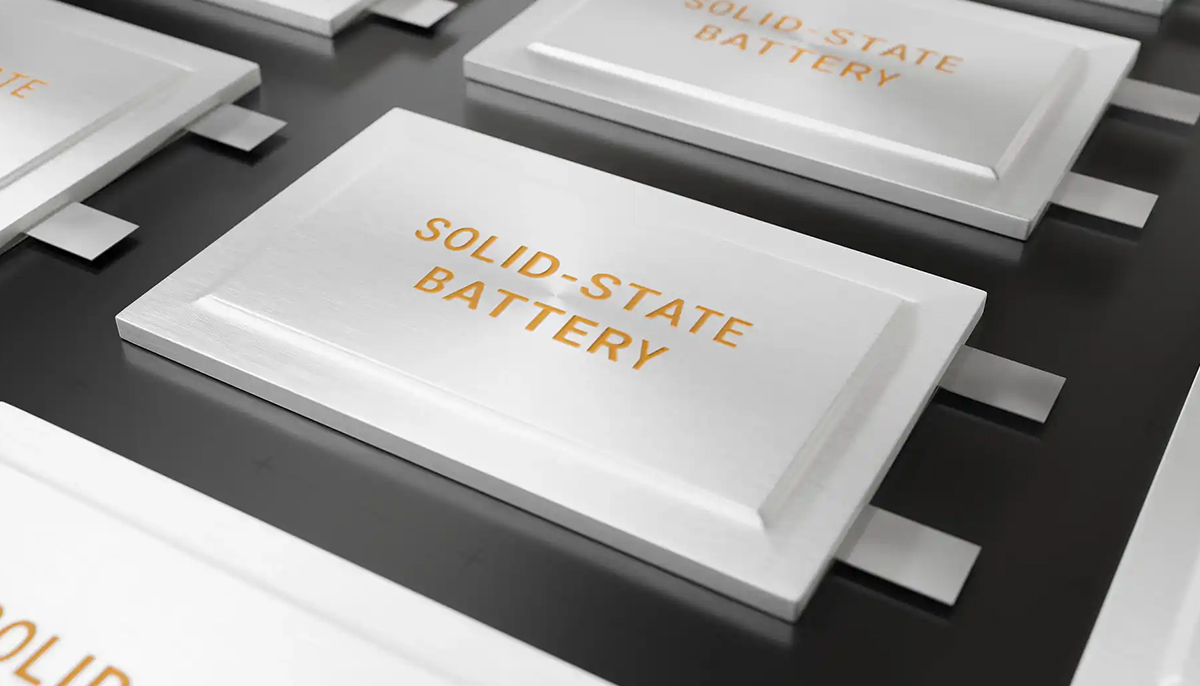
China is accelerating its push into next-generation electric vehicle (EV) batteries, with breakthroughs in sodium-ion and solid-state technologies reshaping the market.


Leading the charge is CATL, which unveiled its Tianxing II battery series for light commercial vehicles on January 22, 2026. The highlight is a low-temperature sodium-ion battery capable of operating in extreme cold. Even at -40°C, it retains 90% of its capacity, and it can be charged immediately at -30°C, offering a practical solution for fleets in harsh climates.

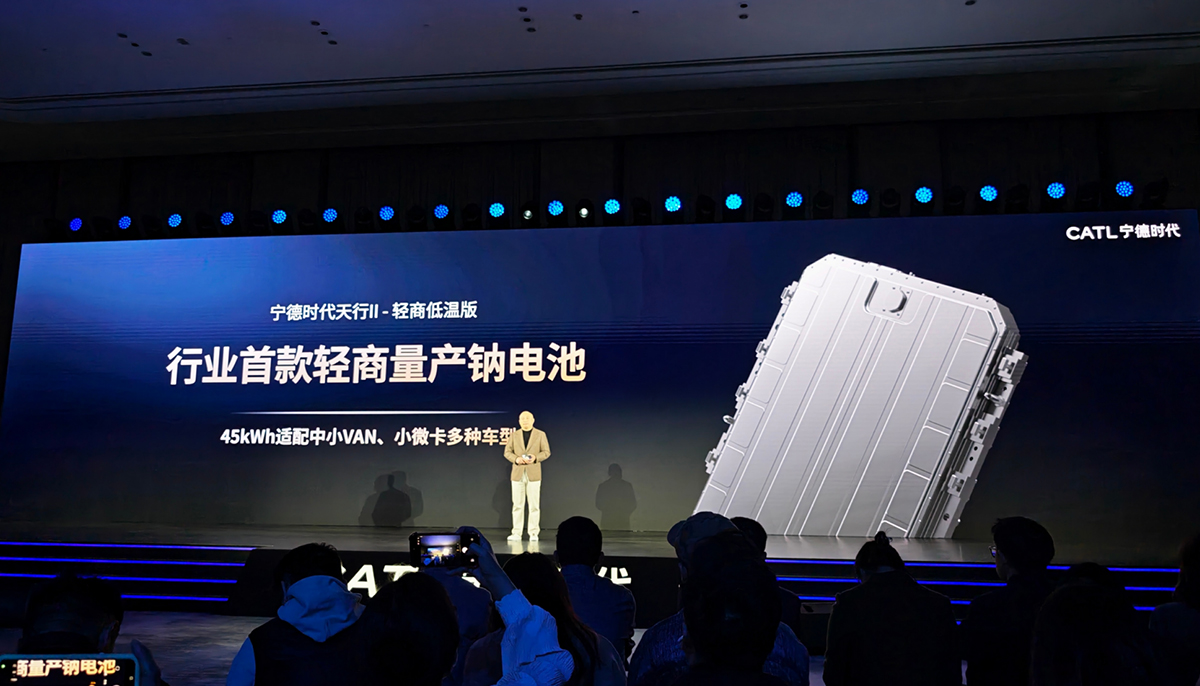
Sodium’s abundance and low cost also promise more affordable EVs in the long run. The series includes fast-charging, long-range, and high-temperature variants, and CATL plans to extend sodium-ion batteries to passenger vehicles this year.

Meanwhile, solid-state batteries are moving from labs to roads. Geely, Dongfeng, and FAW are testing prototypes with energy densities up to 600 Wh/kg, targeting ranges over 1,000 km.
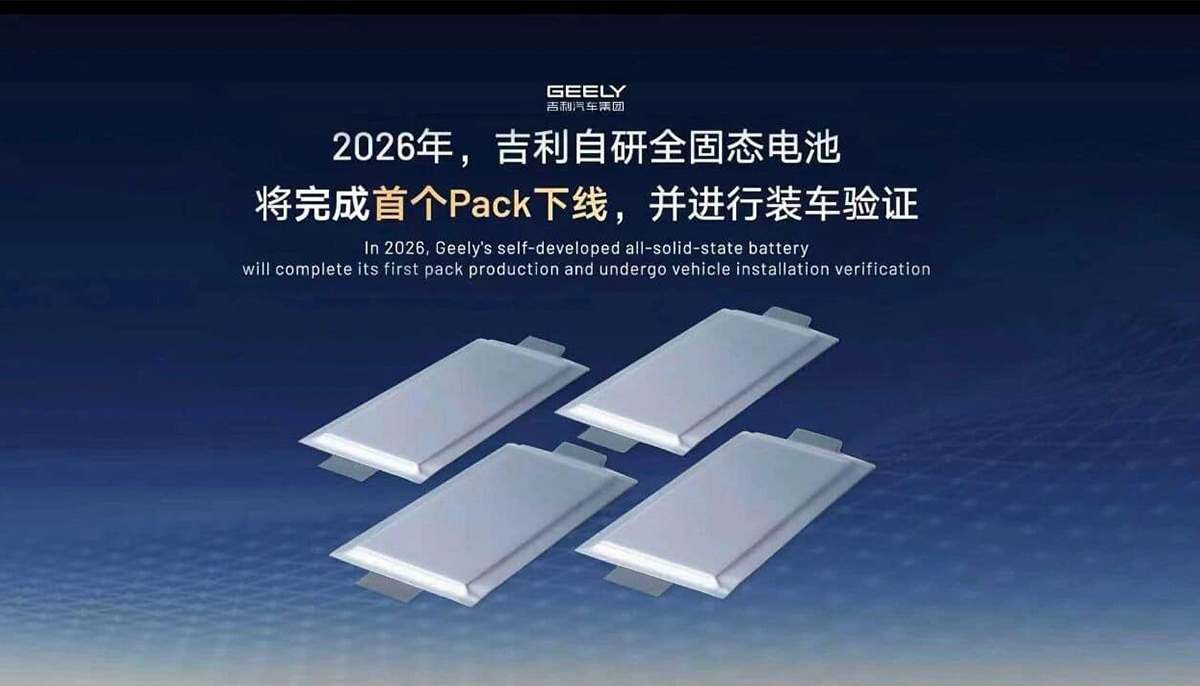
Sunwoda is preparing polymer and lithium-metal solid-state cells for mass production by 2026, while MG Motor has introduced a semi-solid-state option for its MG4 hatchback. BYD, one of the world’s largest battery manufacturers, is also exploring solid-state integration, planning small-scale deployment for vehicles by 2027.
Experts expect a “dual-battery” future in China, with sodium-ion batteries offering low-cost, durable solutions, and solid-state batteries delivering higher energy density and safety. With new national standards and rapid industrial progress, China is positioning itself as a global leader in next-generation EV battery technology.




GWM Ora 5, Tank 300 Win International Awards at TADA 2026
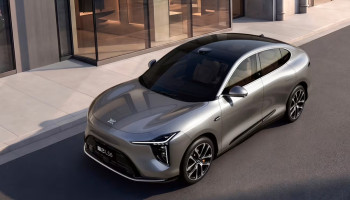
New IM LS6 Revealed in China With Chassis and Cabin Upgrades

China’s August EV Best-Sellers Include Several Models Sold in Nepal