
Rasuwagadhi Flood Crisis Casts Shadow Over Upcoming Auto Shows in Nepal





The devastating floods and landslides that hit Rasuwa District have triggered a humanitarian crisis and a significant disruption in Nepal’s international trade with China.


Beyond the tragic loss of lives and infrastructure, the closure of the Rasuwagadhi border—Nepal’s key northern trade gateway—now poses a serious threat to the country’s automobile industry, particularly as two major automotive expos approach.

Scheduled for next month, the NAIMA Nepal Mobility Expo 2025 and the NADA Auto Show 2025 were expected to be showcases of electric mobility and fresh launches from international brands.
But with the Rasuwagadhi border point shut due to the destruction of the Timure Bridge and surrounding infrastructure, the import pipeline has been effectively severed.

A Heavy Toll on Trade
According to the latest release by the Rasuwa District Administration Office, the floods have resulted in the following automotive-related losses:
- 35 electric vehicles (EVs) were swept away.
- 23 container trucks carrying imported goods were lost.
- 6 Sino trucks are confirmed missing.
- Damage was reported at the Rasuwa Customs Office yard and Timure dry port, where several EVs and cargo trucks awaiting clearance were washed away.
- The local EV charging station has also been severely damaged.
- Additional losses are suspected, with reports of more vehicles missing.
- A full damage assessment is still underway.
Over the last decade, more than 14,500 electric vehicles have been imported from China through Rasuwagadhi, and the volume has been growing year on year. The yard reportedly held many vehicles—including new EVs and goods trucks—that were set to be delivered before the festive season.
Industry Response and Concerns
In light of the disaster, both the Nepal Automobile Importers and Manufacturers Association (NAIMA) and the NADA Automobiles Association of Nepal (NADA) have issued separate statements expressing deep sorrow over the tragedy. Both organizations have called for urgent rescue, relief, and reconstruction efforts and has pledged support in housing rehabilitation and recovery initiatives.
But alongside humanitarian concerns, the industry is now grappling with logistical and supply chain shocks. Over 60% of Nepal’s automobile imports—particularly electric vehicles—arrive through the northern trade points.
While the Tatopani border also serves as an entry point, handling 2,724 EVs worth Rs. 7.05 billion by mid-April this fiscal year, the Rasuwagadhi corridor has seen a rapid rise in import volume, making it the more active and strategic trade route.
With the border now closed and the route severely damaged, the availability of new vehicles for the shows, including launches planned around festive season marketing, look uncertain. Delays in customs clearance, damaged units, and inventory shortfalls are likely to limit exhibitors' ability to fully present their product lines at the expos.
Outlook Ahead
The upcoming NAIMA and NADA auto shows, both critical events for Nepal's growing EV market, may now face scaled-down participation, limited vehicle unveilings, and reduced engagement. For an industry that was gearing up to highlight Nepal’s progress in clean mobility and technology adoption, the flood has created a major setback.
Unless immediate alternative logistics and customs solutions are arranged—potentially scaling operations at Tatopani or fast-tracking reconstruction at Rasuwagadhi—the impact on the auto shows and overall festive vehicle deliveries could be severe.
The disaster has underscored Nepal’s vulnerability to climate-related events and the urgent need to diversify and fortify its trade infrastructure—especially as it transitions toward a cleaner, electric future.
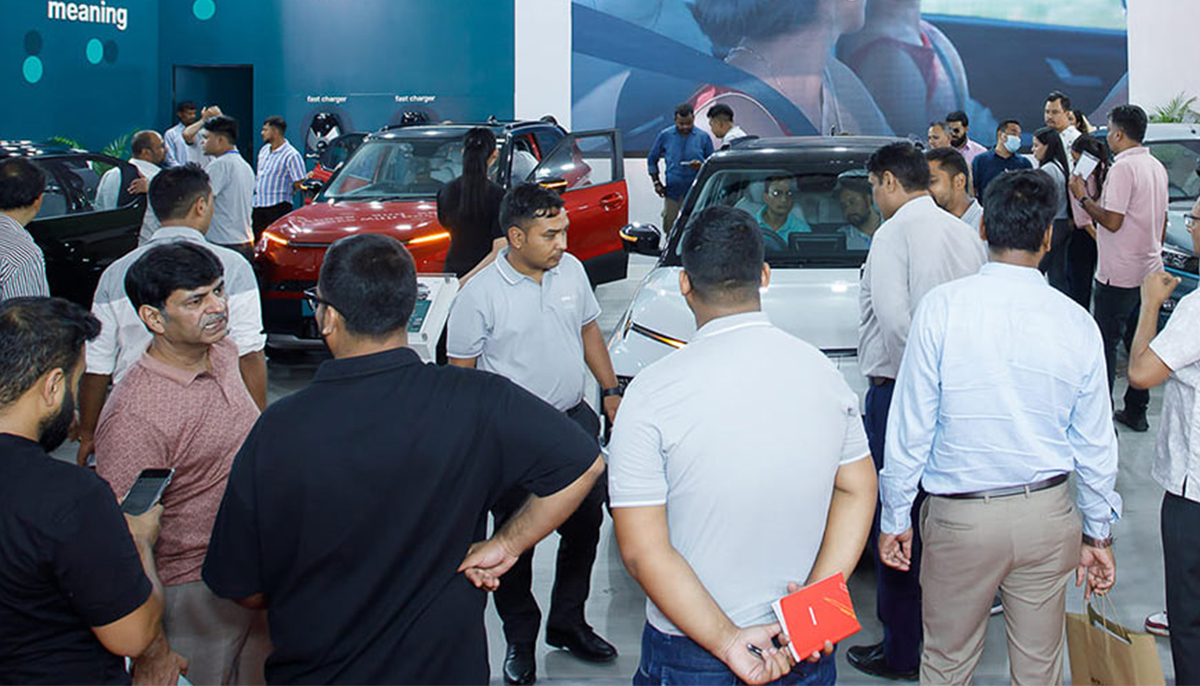
Disclaimer: Image for representation purposes only.







Changan Nevo Q05 Launched in Pokhara; Test Drives Open
Royal Enfield Hunter 350 Gets New Variant and Colours in Nepal

GAC Motor Nepal Issues Statement on Aion Y Fire Incident in Bharatpur