
Nissan Unveils Third-Generation Leaf with Extended Range, Sleek Design, and Advanced Tech





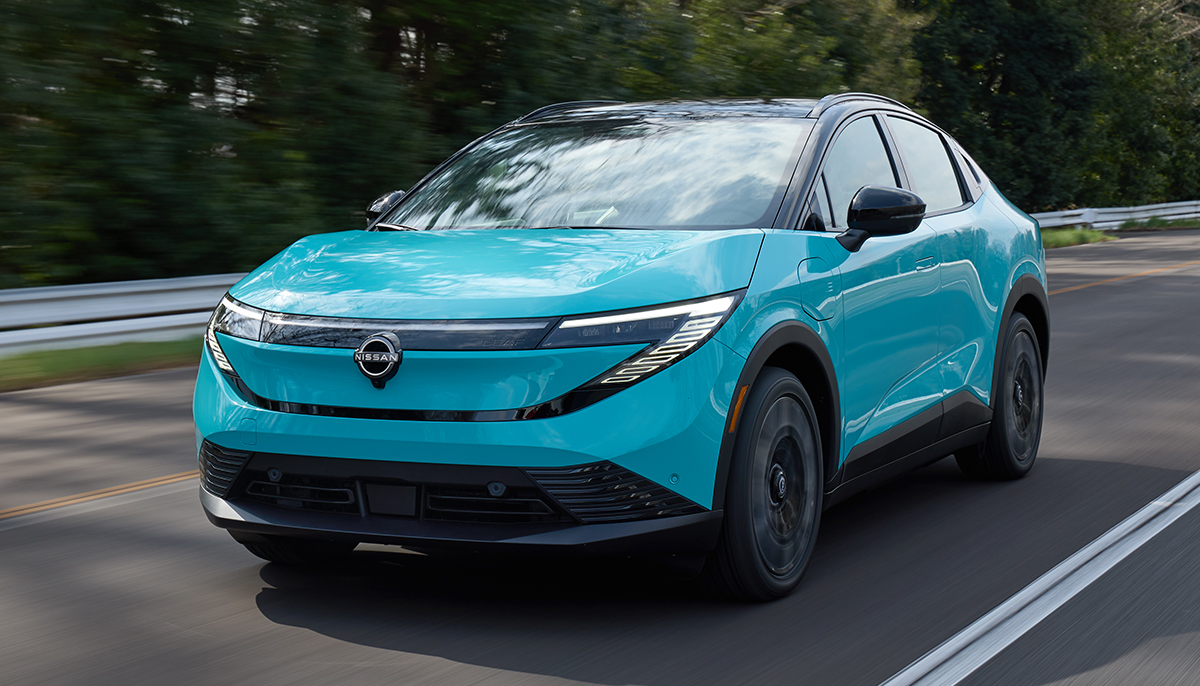
Nissan Motor Co has introduced the third-generation Leaf electric vehicle, showcasing significant improvements in driving range, charging efficiency, and onboard technology.


The redesigned Leaf embraces Nissan’s “Timeless Japanese Futurism” design philosophy, ushering in a new chapter for both the model and the brand’s overall design language. This latest iteration of the Leaf has been completely reimagined from the ground up.

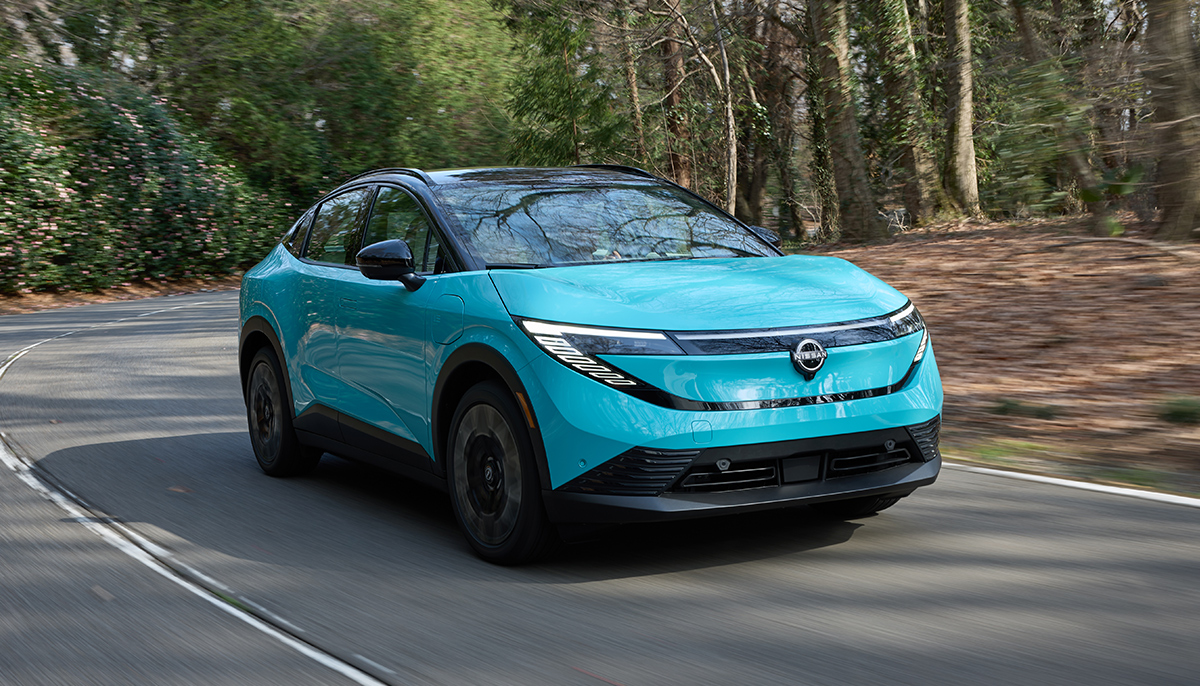
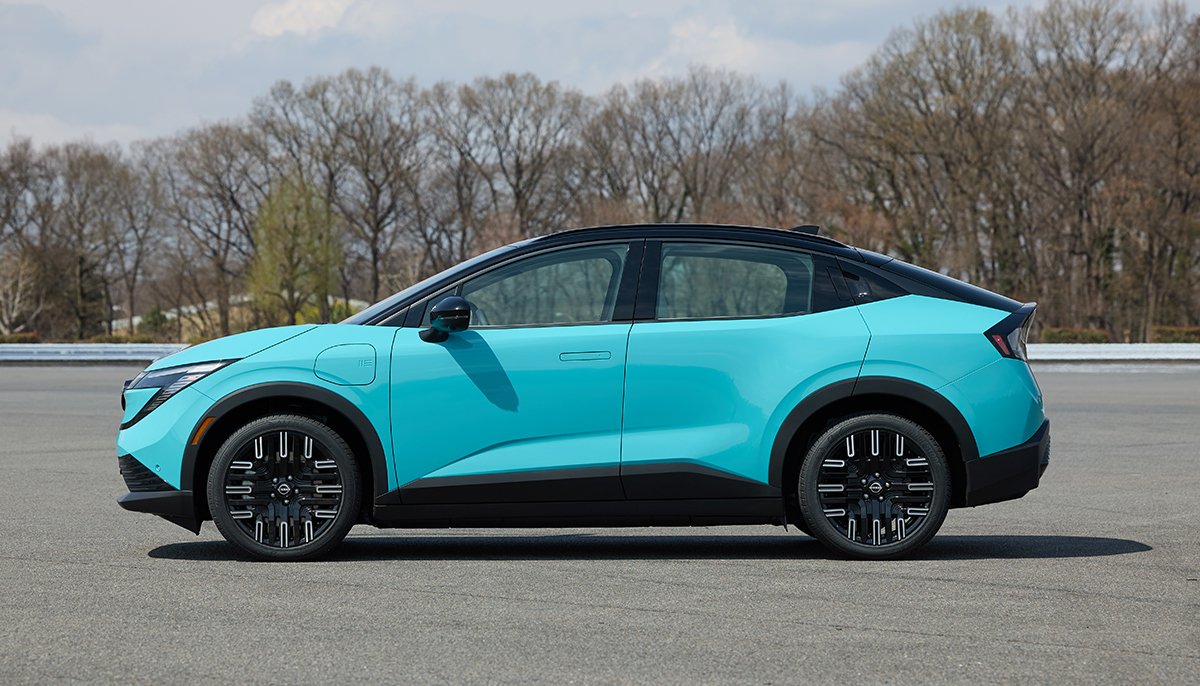
Sporting a fastback-inspired profile, the new Leaf features modern touches such as flush-mounted front door handles, aerodynamically optimized 19-inch alloy wheels, and a flat underbody. These elements contribute to its striking appearance and improve aerodynamic performance, achieving a drag coefficient of 0.26 for models sold in the U.S. and Japan, and an even lower 0.25 for European versions.

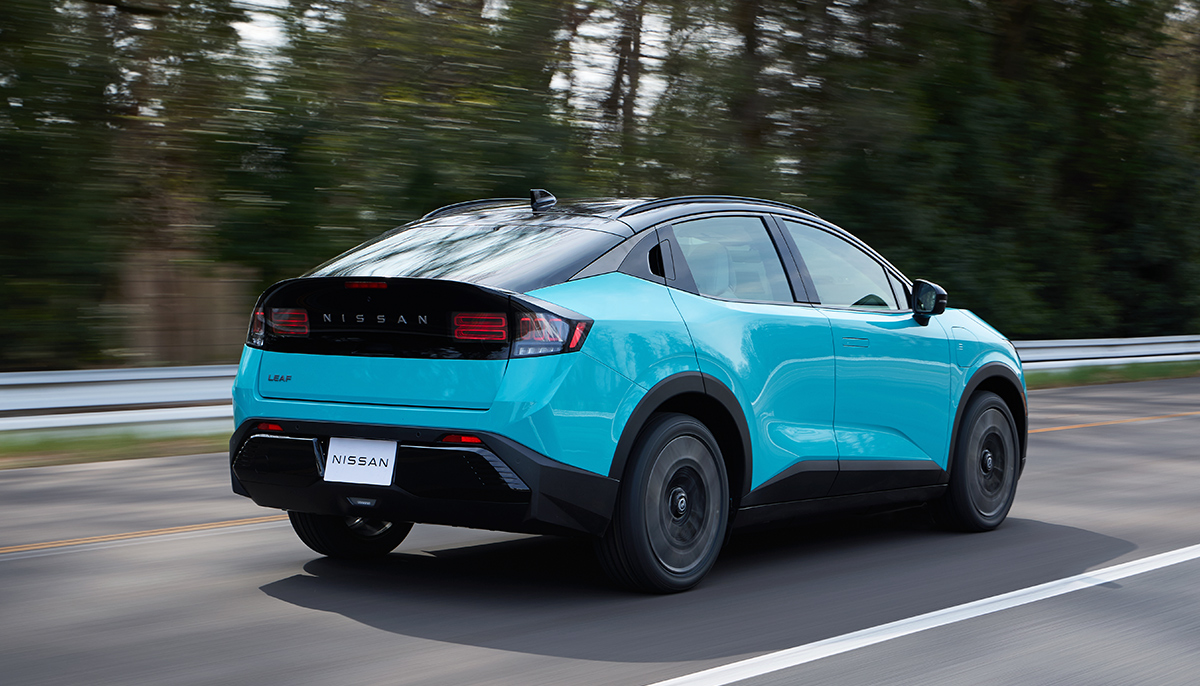
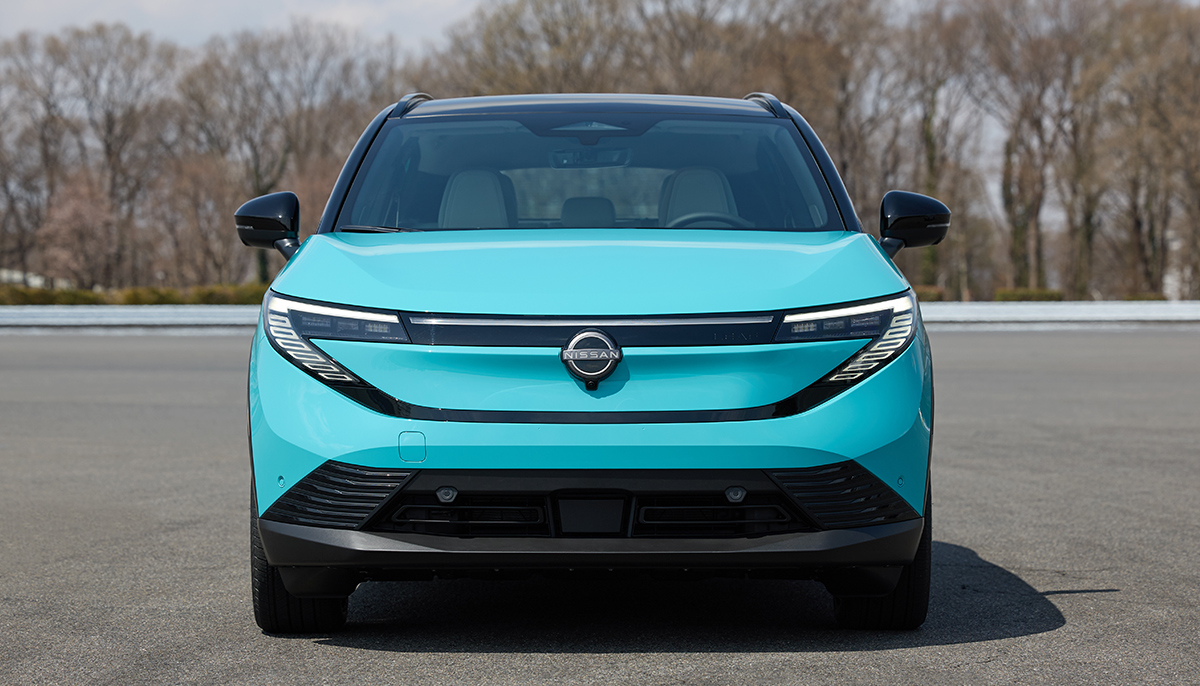
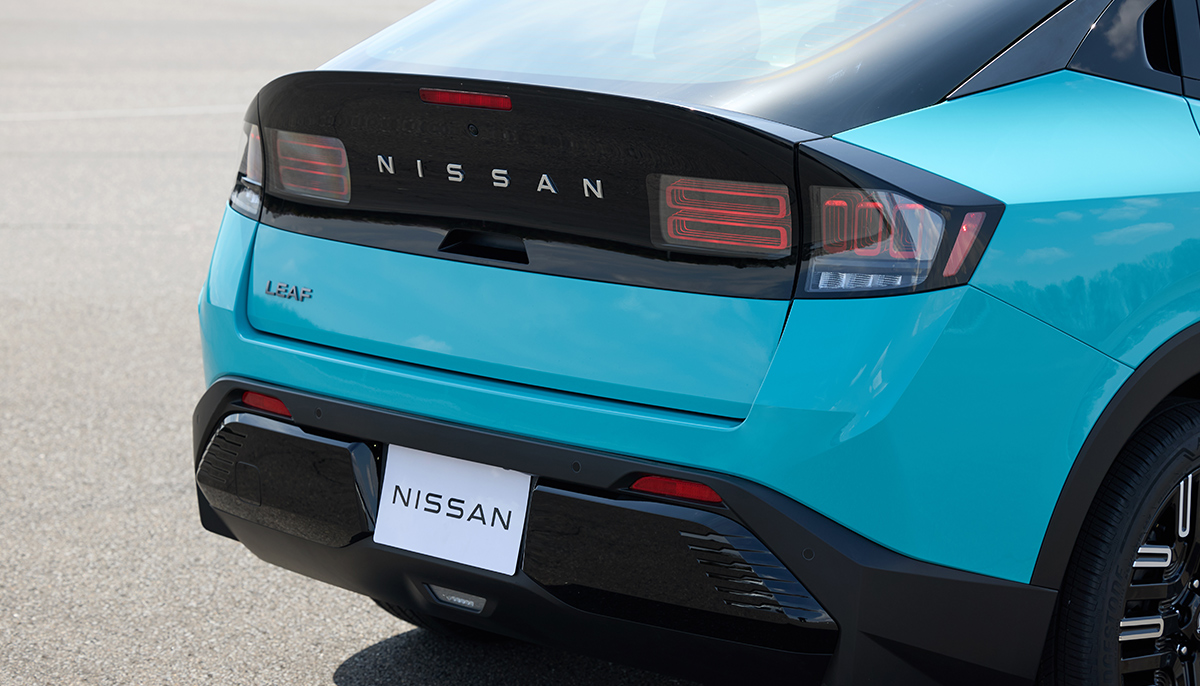
The front end is marked by updated daytime running lights integrated into an evolved V-motion grille. On select variants, a light bar spans across the hood, paired with an illuminated Nissan emblem in some markets. At the rear, 3D holographic taillights introduce a high-tech “digital Zen” aesthetic.
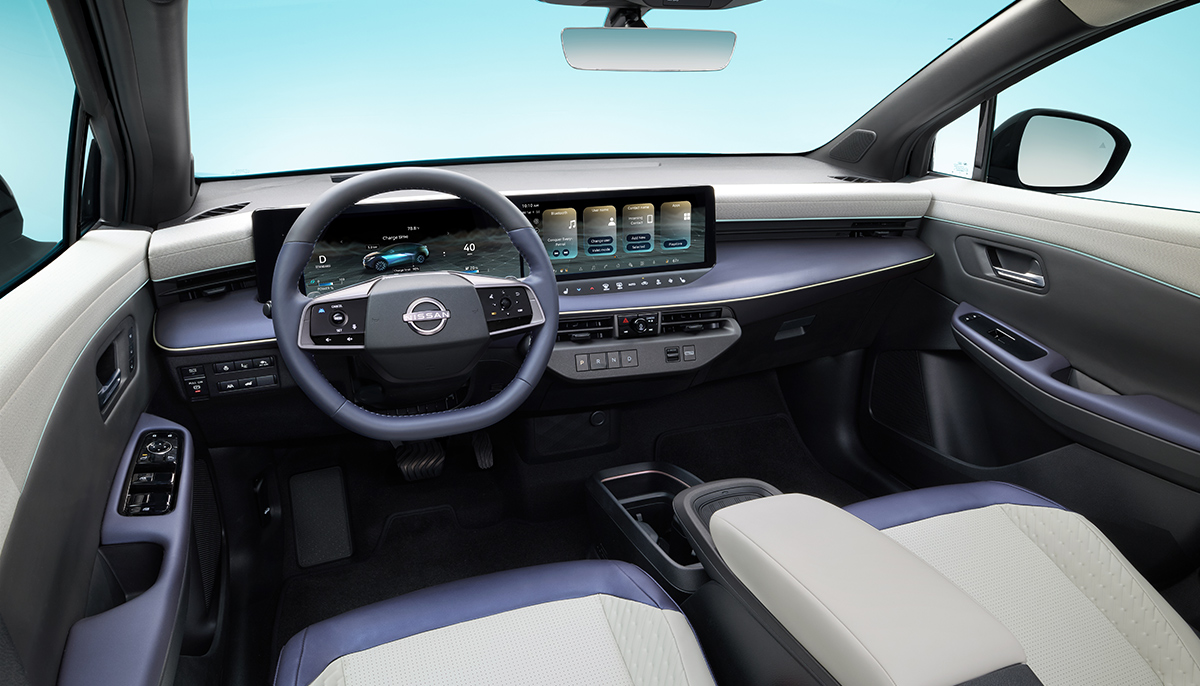
Inside, the cabin offers a roomy, modern space thanks to the flat floor made possible by Nissan’s CMF-EV platform. A wide, floating-style dashboard houses either a pair of 12.3-inch or 14.3-inch displays, depending on the trim level and market.
Driving dynamics have also been refined. The new Leaf is powered by Nissan’s next-generation 3-in-1 electric powertrain, which combines the motor, inverter, and reducer into a more compact unit—10% smaller than before. The updated motor, supported by a new rigid mounting bracket, cuts motor vibrations by 75% compared to the previous model, resulting in a smoother and quieter ride.
The new Leaf offers two liquid-cooled lithium-ion battery options, both equipped with thermal management. Entry-level models feature a 52 kWh battery delivering 130 kW of power and 345 Nm of torque. Higher-end variants come with a 75 kWh battery, generating 160 kW and 355 Nm of torque. Fast charging capability allows the battery to reach 80% from 10% in just 35 minutes.
In certain markets, Nissan has added Intelligent Distance Control Assist, which helps the vehicle maintain a safe following distance in traffic and enhances regenerative braking for improved energy efficiency. Additional features include Vehicle-to-Load (V2L) and Vehicle-to-Home (V2H) functions, allowing the car to supply power to external devices or homes.
Production of the third-generation Leaf will take place at Nissan’s Tochigi Plant in Japan and its Sunderland facility in the United Kingdom.
In our market, the second-generation Nissan Leaf was available at a price of Rs 64.99 Lakh. This version came equipped with a 40 kWh battery offering a range of up to 311 kilometers on a full charge. However, the all-new 2025 model will arrive at a later date and is expected to carry a different price tag.






GWM Ora 5, Tank 300 Win International Awards at TADA 2026
New IM LS6 Revealed in China With Chassis and Cabin Upgrades

China’s August EV Best-Sellers Include Several Models Sold in Nepal