
NAIMA Hosts Insightful Session on Road Safety: Principles, Practices, and Paradigm Shifts





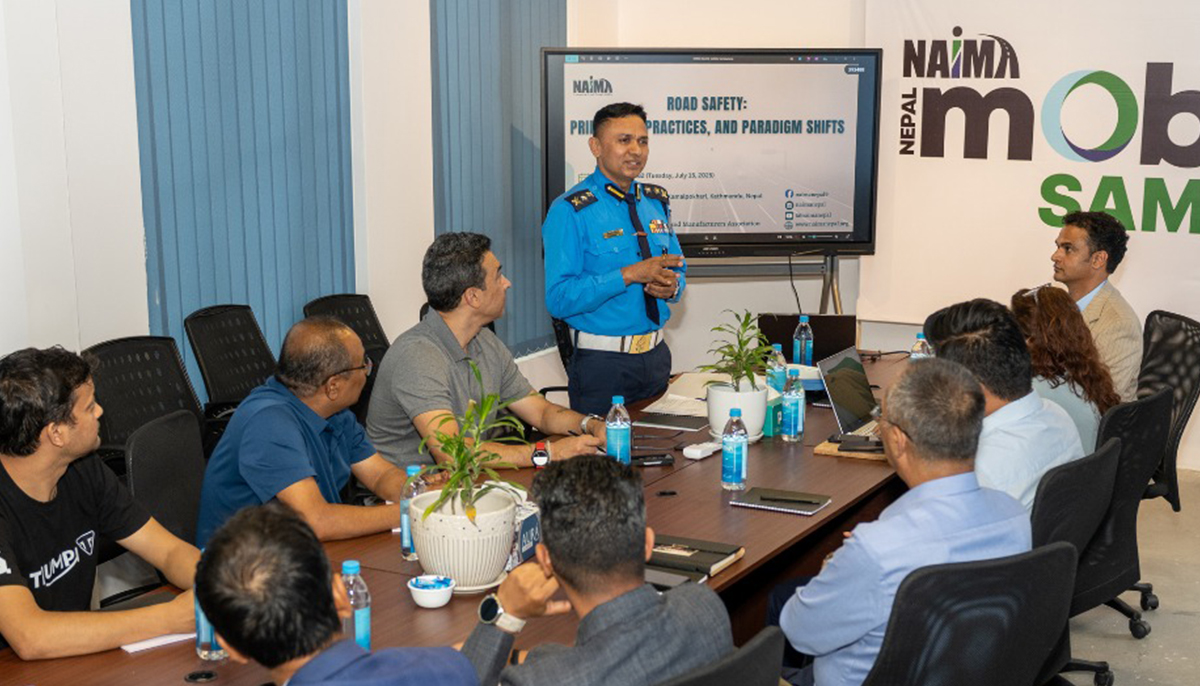
In a timely and much-needed initiative, the Nepal Automobiles Importers and Manufacturers Association (NAIMA) hosted a session titled “Road Safety: Principles, Practices and Paradigm Shifts” at its secretariat in Kamalpokhari, Kathmandu.


This session was part of NAIMA's Monthly Mobility Sambaad, a platform launched to inform, educate, and foster collaborative problem-solving in Nepal’s mobility sector. The series invites experts, policymakers, and stakeholders to share a common space for dialogue and discussion around pressing mobility issues.

The latest edition of the Sambaad brought together a mix of NAIMA members, journalists, industry stakeholders, and mobility experts for an open and insightful discussion. Saurabh Jyoti, Board Member and Head of the Road Safety Committee - NAIMA, opened the session by underlining the urgent need for a systemic approach to road safety in Nepal. He emphasized that with growing urbanization and rising vehicle numbers, the country must re-evaluate its traditional road safety practices and adopt more sustainable and strategic solutions.
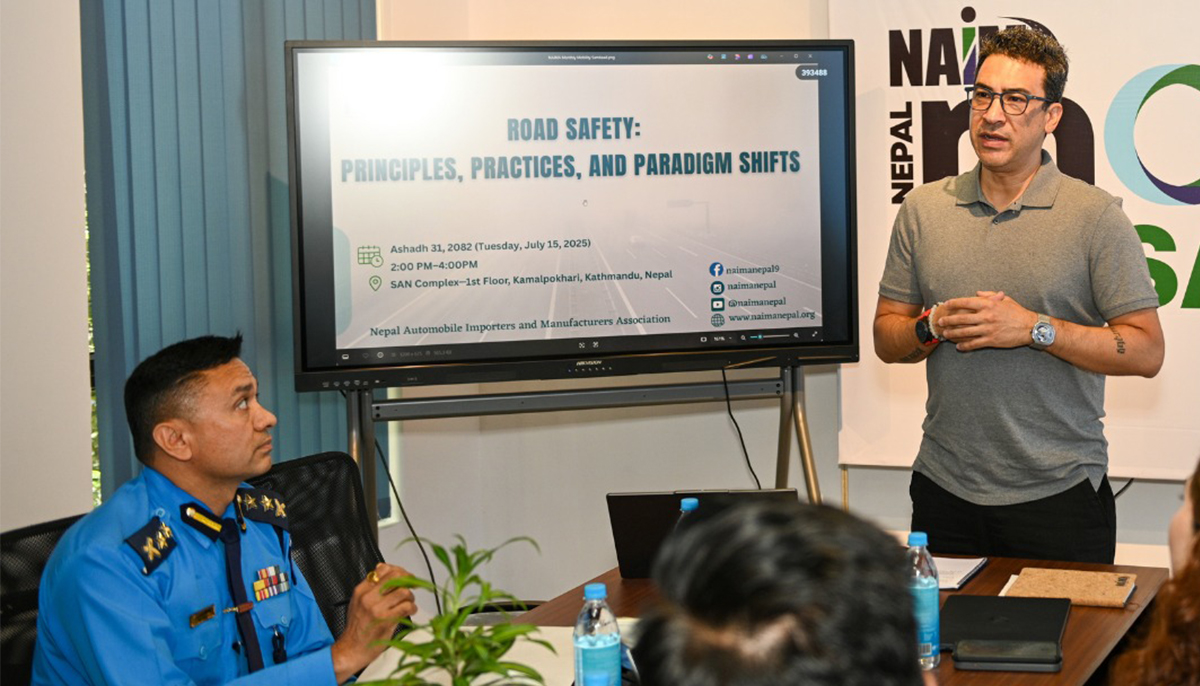

Similarly, Superintendent of Police (SP) Deepak Giri, spokesperson for the Kathmandu Valley Traffic Police Office, provided an in-depth look at the current traffic management system and road safety challenges in the valley. His presentation went beyond surface-level statistics and highlighted critical issues.
He pointed out that while public awareness campaigns are essential, they are not enough on their own. Strong policy frameworks, strategic reforms, and upgraded infrastructure are crucial for lasting impact.
Giri also shed light on the limitations the traffic police face daily, from resource constraints to overwhelming workloads and stressful environments. He emphasized that many issues, including traffic congestion and road violations, are deeply systemic and beyond the control of the traffic police alone.
The session concluded with a lively Q&A segment, during which attendees raised practical and pointed concerns. Questions ranged from inconsistent speed limits and reckless driving by public vehicles to concerns over the ethics and accountability of traffic police personnel.
SP Giri responded candidly to each query, acknowledging the challenges while reiterating the department’s commitment to improving public trust and traffic enforcement. He stressed that enforcement alone cannot drive change, and a shared sense of responsibility among citizens, institutions, and the government is essential.
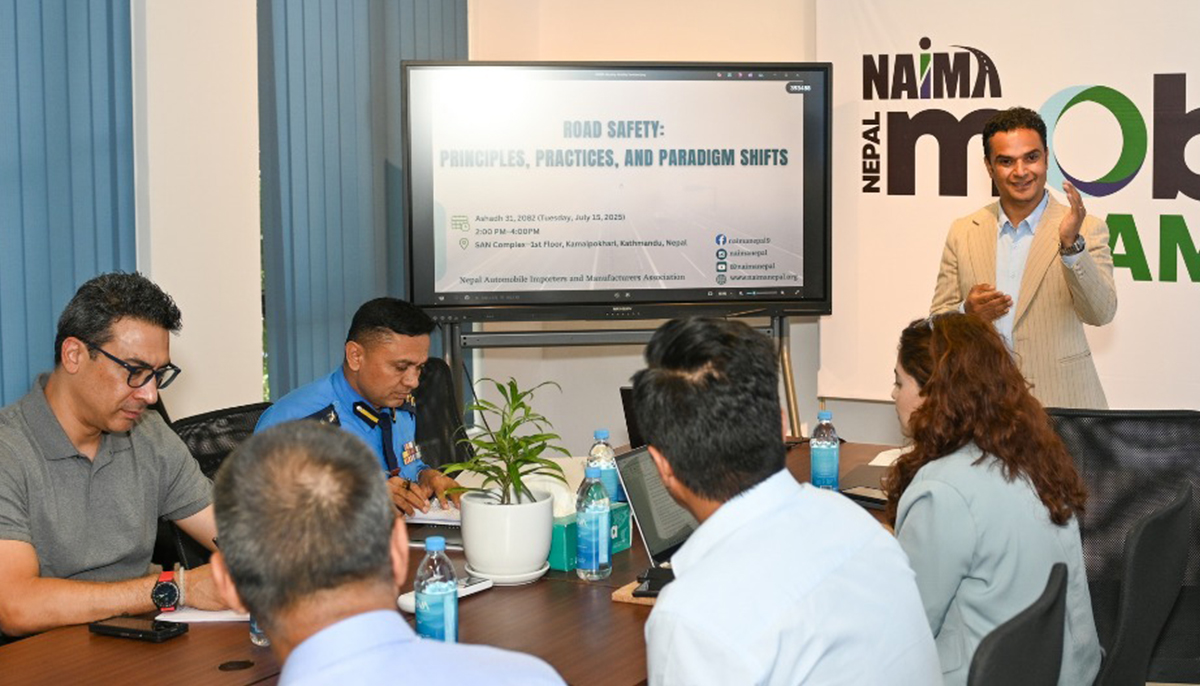
The discussion brought forward a balanced perspective on the traffic police's role in Nepal. On the positive side, despite limited manpower and resources, traffic police officers continue to manage chaotic urban traffic with dedication. Their presence on the road frequently helps discourage reckless driving, while initiatives by officials such as SP Giri to communicate openly with the public demonstrate a commitment to enhancing the system.
However, challenges such as alleged misuse of authority, selective enforcement of rules, and lack of accountability continue to undermine public confidence in traffic policing. The lack of transparent grievance redressal mechanisms also contributes to public mistrust.
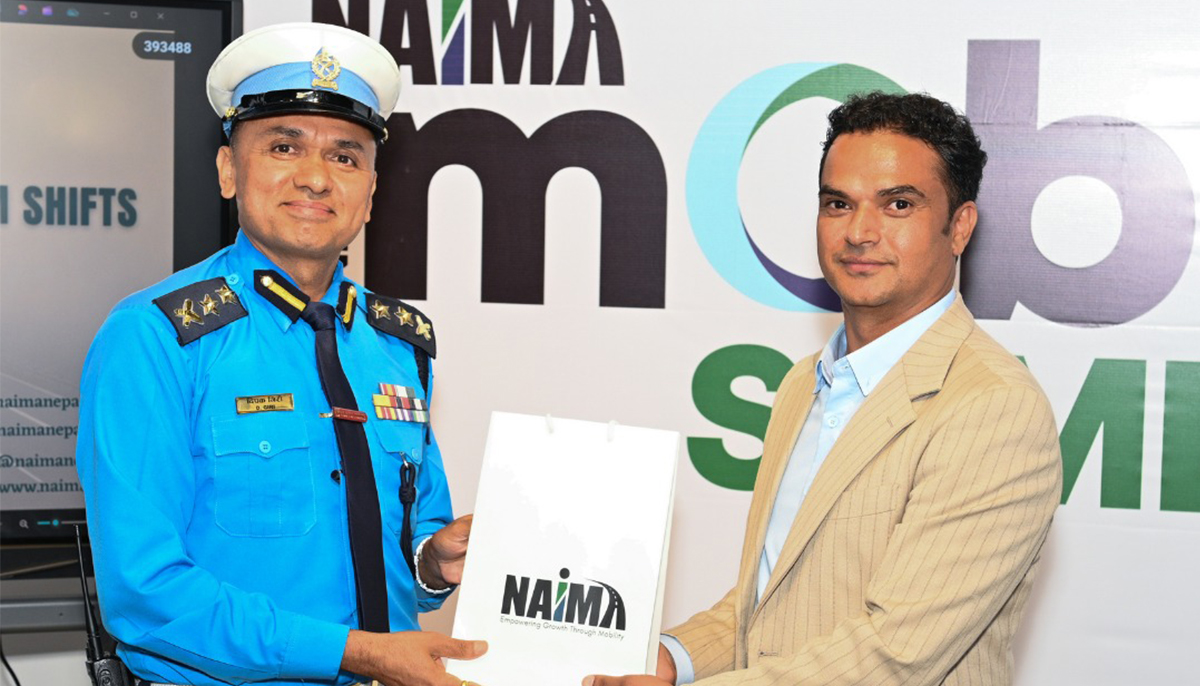
Overall, the session proved to be a valuable platform for reflection, learning, and dialogue. It reinforced that road safety is not solely a law enforcement issue but a multifaceted challenge requiring cooperation between governance, infrastructure, education, and civil responsibility.
With continued engagement and action, such discussions could pave the way for meaningful policy reforms and a safer, more organized future for Nepal’s roads.







Changan Nevo Q05 Launched in Pokhara; Test Drives Open

Royal Enfield Hunter 350 Gets New Variant and Colours in Nepal
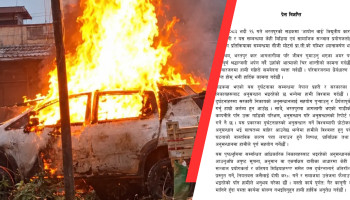
GAC Motor Nepal Issues Statement on Aion Y Fire Incident in Bharatpur