
Hyundai in Nepal: A Shift from Imports to Assembly

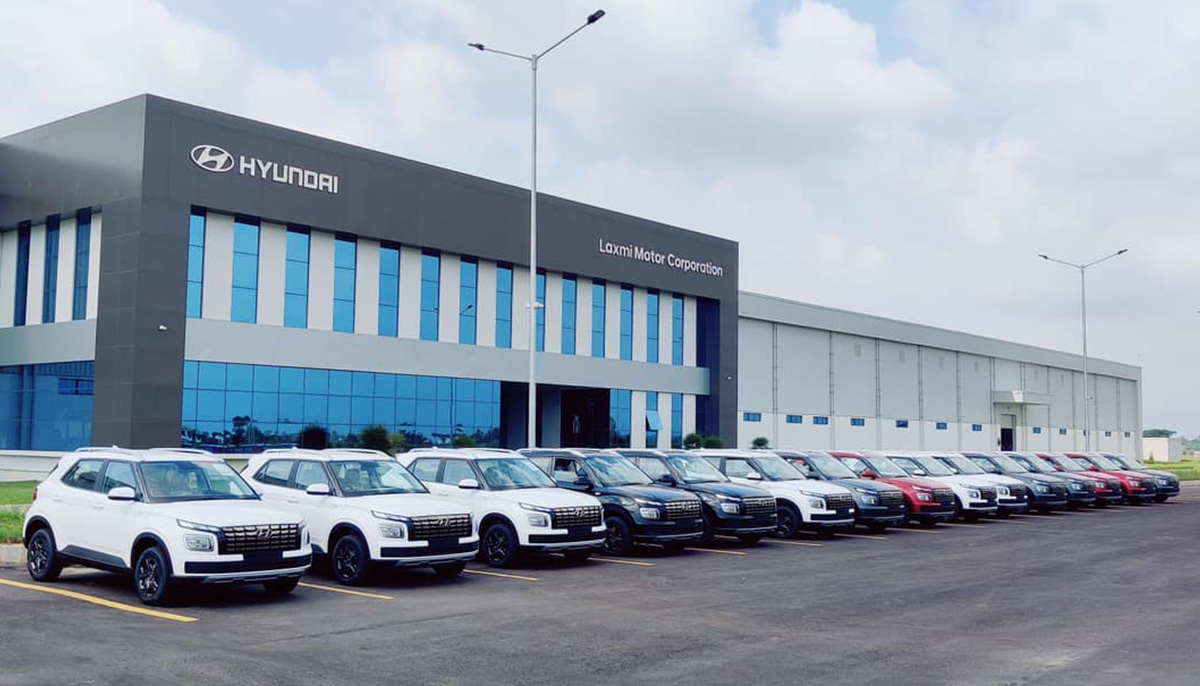
For years, Nepal’s automobile sector has functioned less as an industry and more as a marketplace.
Vehicles arrived fully built, transactions moved through dealer networks, and economic activity clustered around sales and servicing. It was efficient in a narrow sense—keeping supply chains moving and showrooms active—but it stopped short of building anything resembling industrial depth.

There was little incentive, or opportunity, to cultivate engineering capability, production expertise, or manufacturing confidence within the country.
That long-standing pattern has begun to shift, albeit quietly. The establishment of a Hyundai ssembly facility in Nepal has introduced a different logic into the sector—one that places production, however limited, alongside trade.
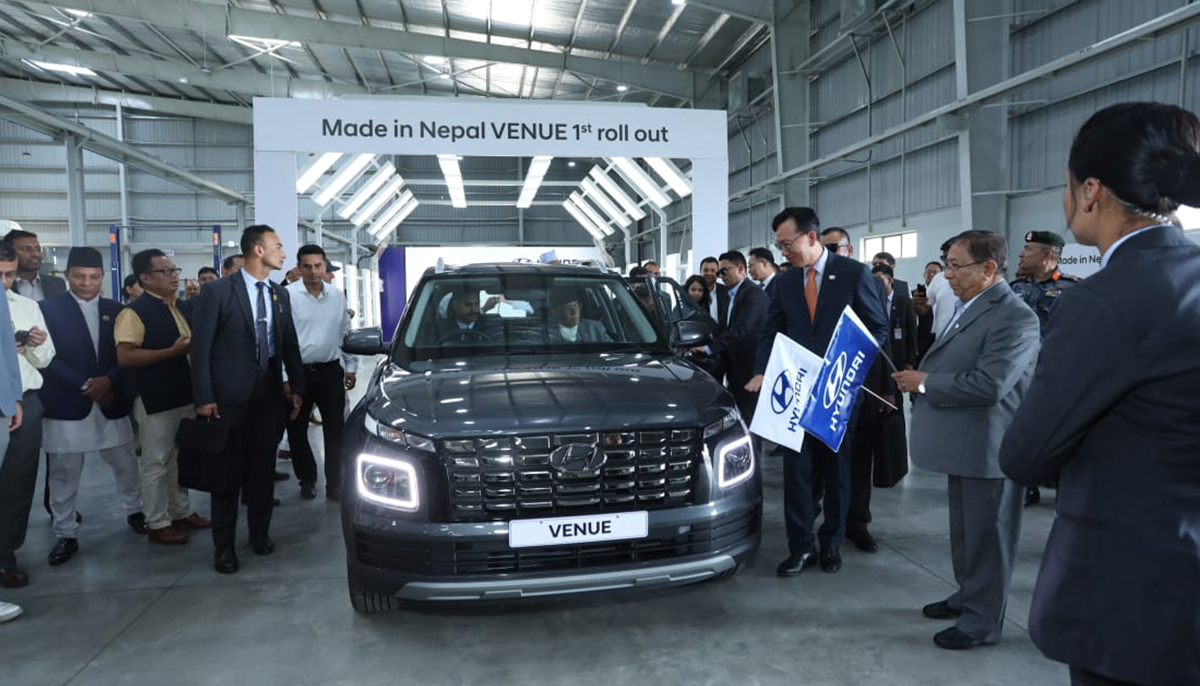
It is not a dramatic transformation, nor is it large in scale, but it signals something more fundamental: the possibility of moving from a consumption-driven model toward one that begins to internalize parts of the value chain.
What makes this shift notable is not the number of vehicles being assembled, but the type of work now taking place. Assembly operations demand a different kind of discipline.
They require structured workflows, attention to tolerances, adherence to quality benchmarks, and coordination across multiple stages of production. In contrast to a trading ecosystem, where value is largely transactional, a production environment generates value through process.
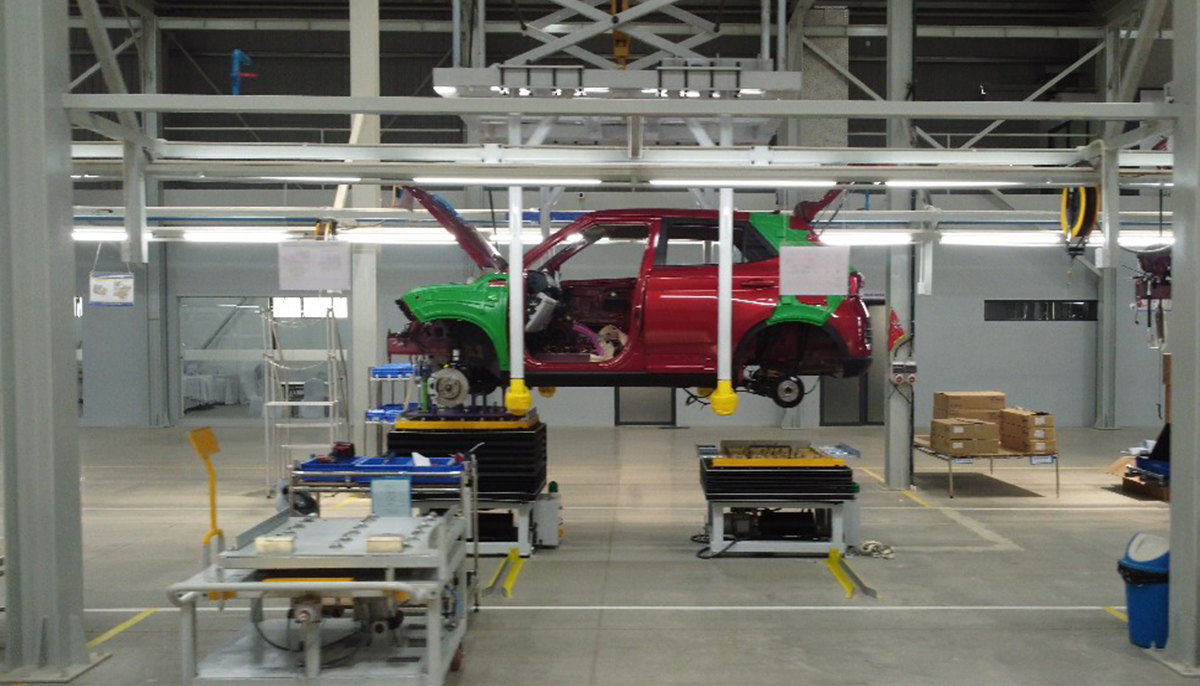
This distinction matters because it changes the nature of skills being developed. Engineers and technicians are no longer confined to diagnostics and maintenance; they are increasingly engaged in process engineering, quality control, and production planning.
The introduction of semi-robotic systems and modern assembly equipment adds another layer, exposing the workforce to industrial technologies that have historically been absent in Nepal’s manufacturing landscape. These are not just upgrades in machinery—they are entry points into a different way of working, one that prioritizes precision, repeatability, and continuous improvement.
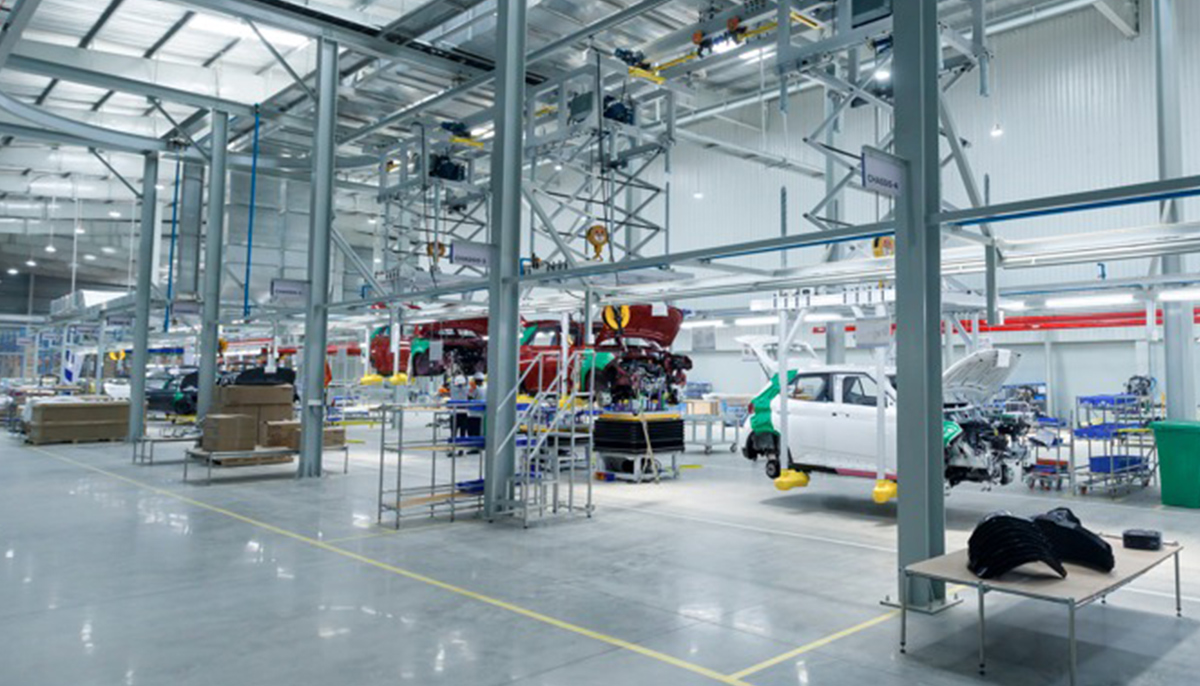
Perhaps more telling is who is doing this work. The facility operates with a fully Nepali technical workforce, many drawn from regions outside the traditional urban centers of industry. This challenges a persistent assumption that complex industrial operations must rely heavily on foreign expertise.
Given the right training environment and exposure, local engineers and technicians are demonstrating that they can manage, adapt to, and sustain such systems. That in itself is a subtle but important shift in narrative.
The effects are not contained within the plant. There is a gradual, almost organic, interaction emerging between the facility and nearby technical institutes. Students are beginning to see what manufacturing looks like beyond textbooks—how components move through a line, how quality is enforced, how systems respond to inefficiencies.
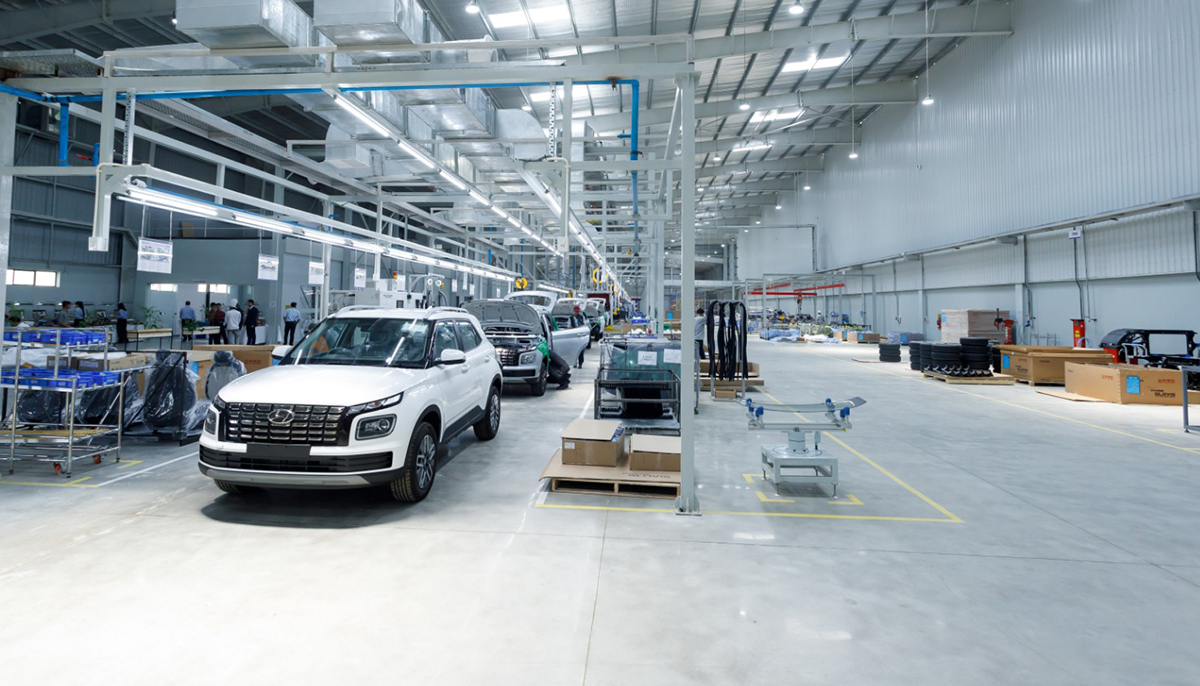
For an education system that has often struggled to connect theory with application, this kind of exposure is not just beneficial; it is overdue. Over time, such linkages could reshape how technical education aligns with actual industry needs.
Economically, the impact remains modest, as one would expect at this stage. Production levels are still well below installed capacity, reflecting both market realities and the early phase of operations. Yet even at this scale, the nature of contribution is different.
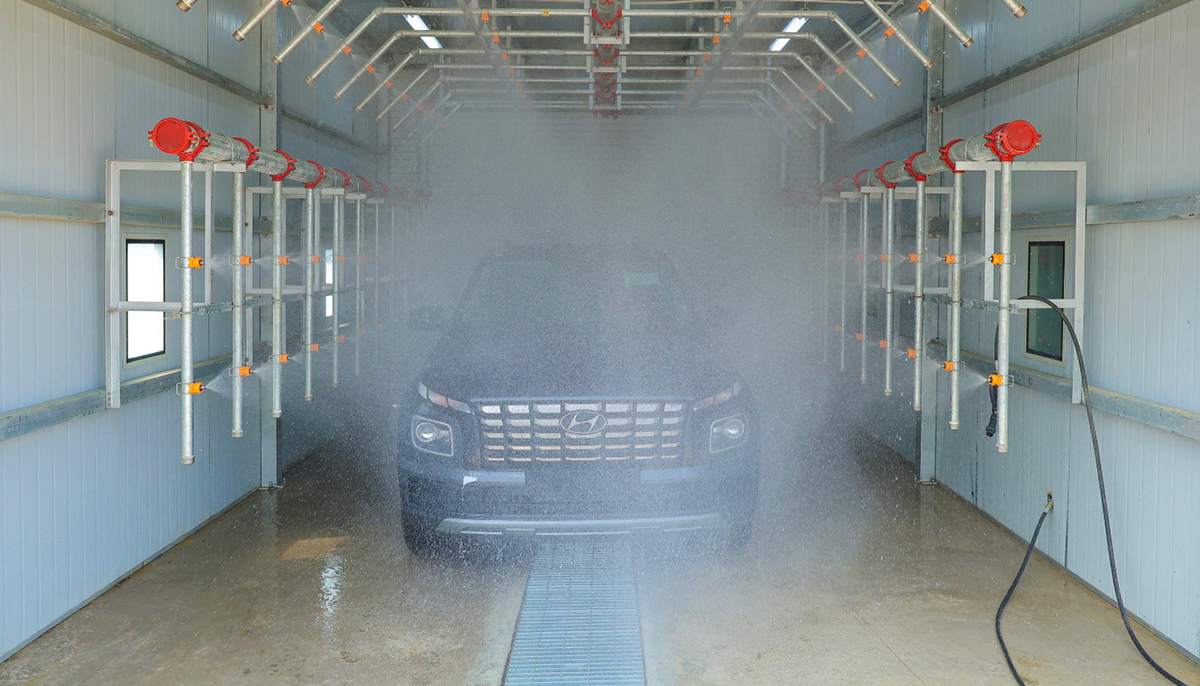
There is direct employment in technical roles, indirect demand for logistics and support services, and a degree of value addition that previously occurred entirely outside the country. It does not redefine the economy, but it begins to alter its composition in small, measurable ways.
More revealing, however, is the learning curve that accompanies the operation. Over time, the facility has refined its workflows, strengthened quality checks, improved equipment calibration, and introduced more efficient material handling systems.
These are incremental changes, but they are the essence of industrial development. Manufacturing is rarely built in leaps; it evolves through repetition, correction, and gradual optimization. Each adjustment, however minor, contributes to a growing base of institutional knowledge.
In a country where industrialization has long been discussed but rarely realized at scale, this matters. Nepal’s economic structure continues to lean heavily on remittances and trade, with manufacturing playing a limited role. Structural constraints—ranging from infrastructure gaps to policy inconsistency—remain very real.
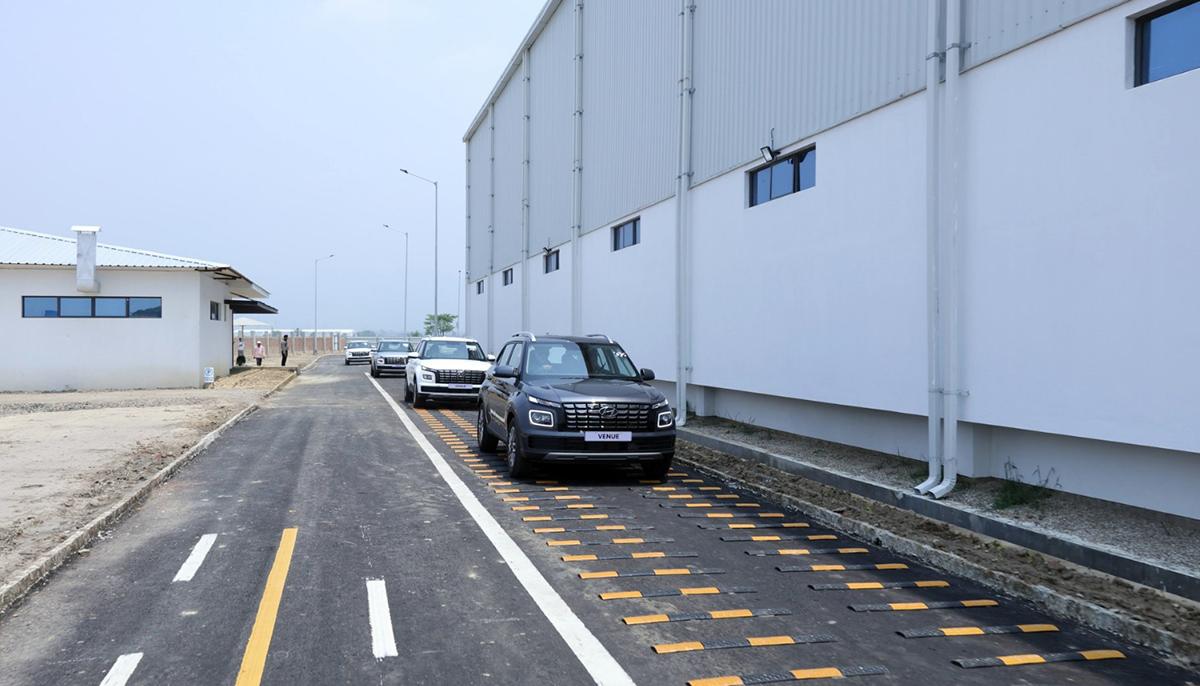
Against that backdrop, the emergence of even a modest assembly operation takes on a broader significance. It suggests that participation in production is not entirely out of reach, and that industrial capability can begin to take shape under the right conditions.
The real value of such a facility may not lie in the vehicles it produces, but in the mindset it introduces. It reframes what is possible. It shifts the conversation from importing and selling to building and improving.
And while the scale may be small today, the implications are not necessarily constrained by it. Industrialization, after all, is not defined by a single large leap, but by a series of smaller, deliberate steps.
In that sense, the assembly plant is less an endpoint and more an early signal—a reminder that even within a trade-dominated economy, the foundations of production can begin to emerge.




Omoda Jaecoo Continues Nepal Premier League Partnership for 2026

Same Same, But Different: MG and Wuling's EV Battle