BYD Celebrates 32 Years, Surpasses 19 Million NEV Production Milestone



BYD is celebrating 32 years since its establishment, marking a journey that has taken the Chinese company from a small battery manufacturer in Shenzhen to a major global player in the electric vehicle industry.
Founded on November 18, 1994, BYD began operations with a team of just over 20 people in a rented factory. Initially focused on battery manufacturing, the company entered the lithium-ion battery business in 1996 before making a major shift into the automotive industry in 2003 through the acquisition of Xi'an Qinchuan Automobile.

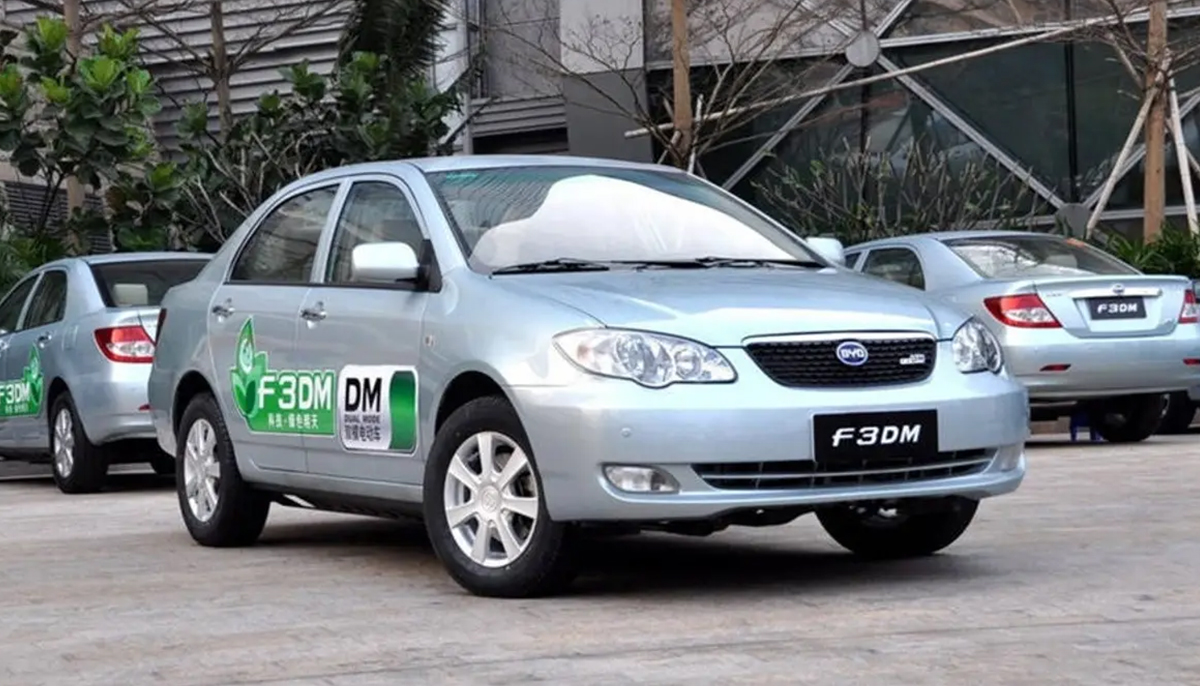
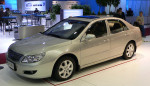
BYD introduced the F3DM, its first plug-in hybrid sedan, in 2008
Its first mass-produced car, the F3, arrived in 2005, followed by the F3DM plug-in hybrid in 2008. From there, BYD gradually expanded its operations into electric buses, commercial vehicles and other forms of electrified transportation.
The company entered the new energy bus market in 2009 and later established an electric bus manufacturing facility in Lancaster, California, in 2013. Its electrification strategy eventually expanded beyond passenger cars to include buses, taxis, logistics, ports and mining operations.
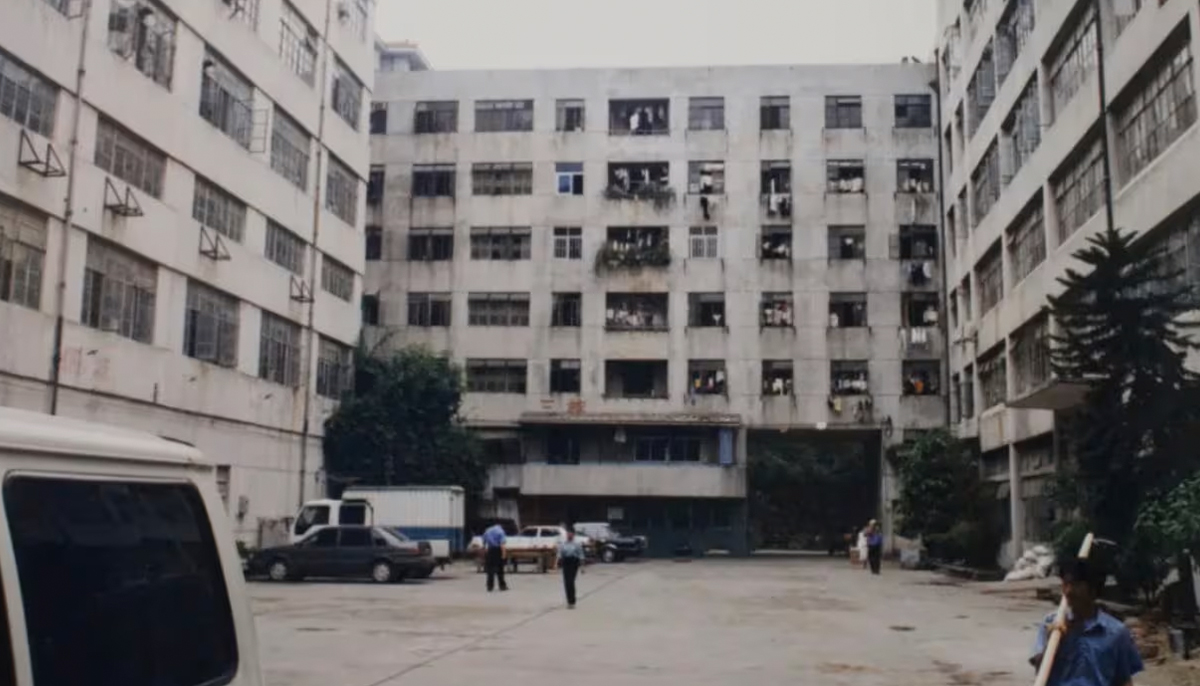
The rented factory in Buji, Shenzhen, where BYD began its journey in 1994
Over the years, BYD has also built a significant international manufacturing network. A major milestone came in 2024 with the opening of its first overseas passenger car factory in Rayong, Thailand. The facility produced the company's 8-millionth new energy vehicle (NEV), while cumulative production crossed 10 million units later that year.
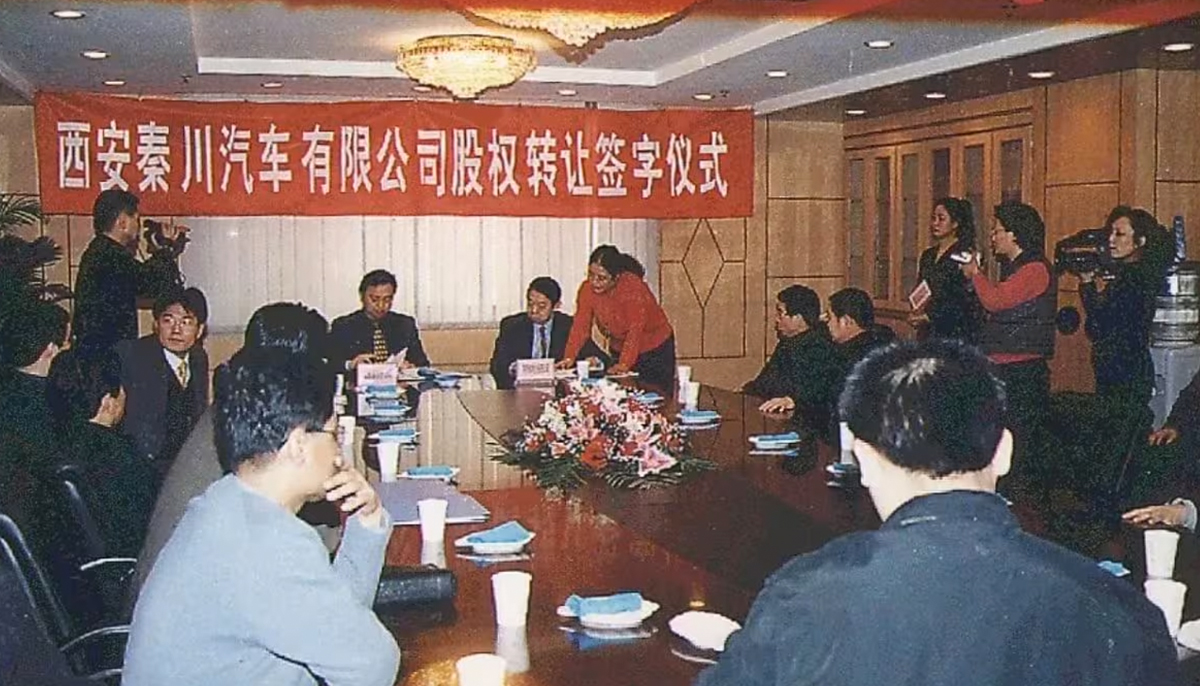
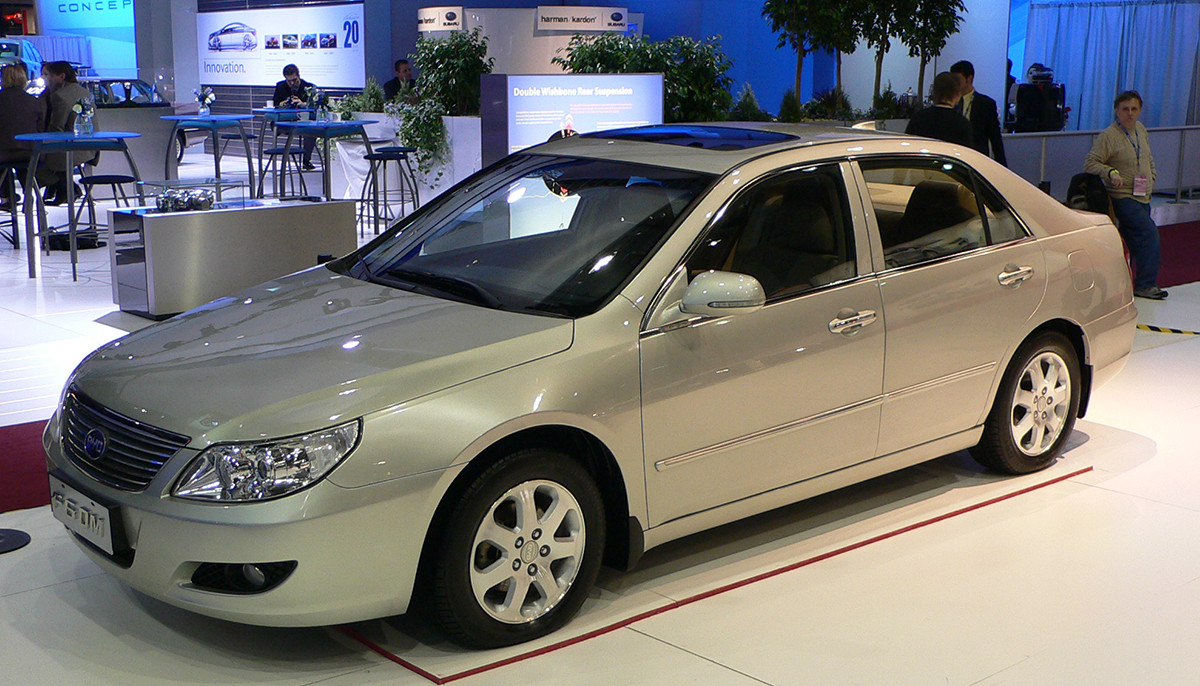
BYD made its entry into the automotive industry in 2003 with the acquisition of Xi'an Qinchuan Automobile
Its expansion continued in 2025 with the start of production at its Brazilian passenger car factory. BYD has since maintained an aggressive production pace, with its 19-millionth NEV rolling off the production line earlier this month. Interestingly, the company took just 124 days to move from 17 million to 19 million units.
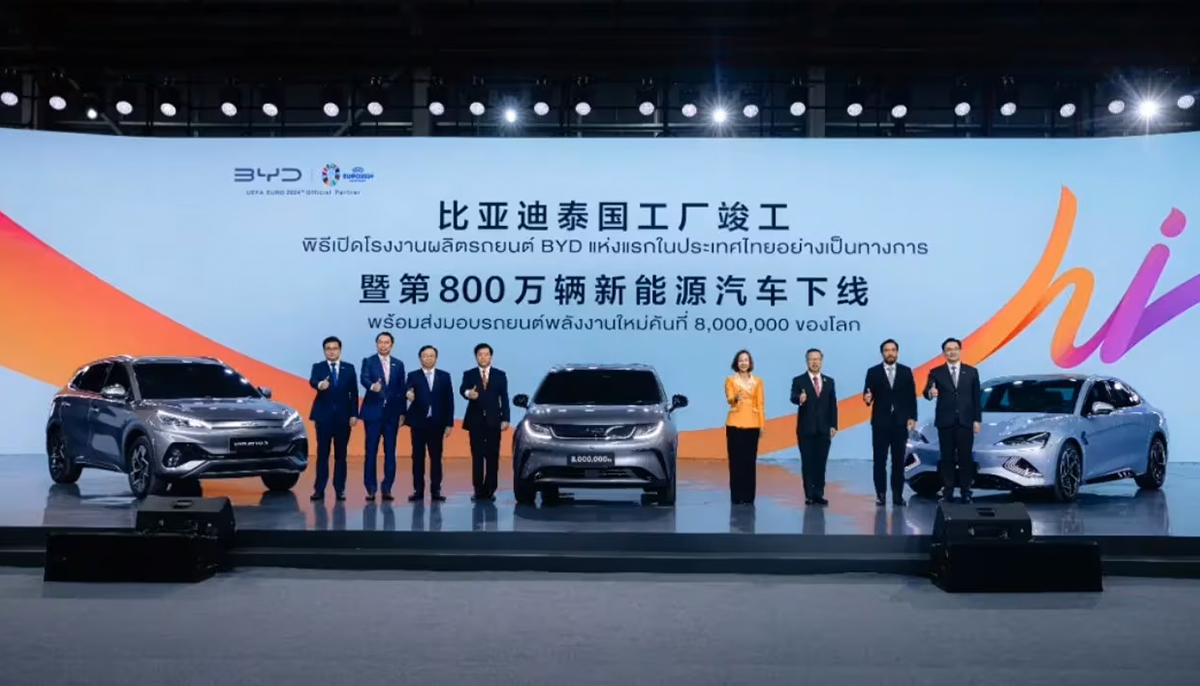
BYD inaugurated its first overseas passenger car manufacturing plant in Rayong, Thailand, in 2024, which also marked the production of its 8-millionth NEV
Speaking at the APEC CEO Summit in Shenzhen, chairman and president Wang Chuanfu confirmed that BYD had produced more than 19 million NEVs.
He also highlighted the importance of its overseas operations, revealing that the Thai factory has an annual production capacity of 150,000 vehicles and employs approximately 6,000 people, with more than 95% of its workforce coming from the local market.
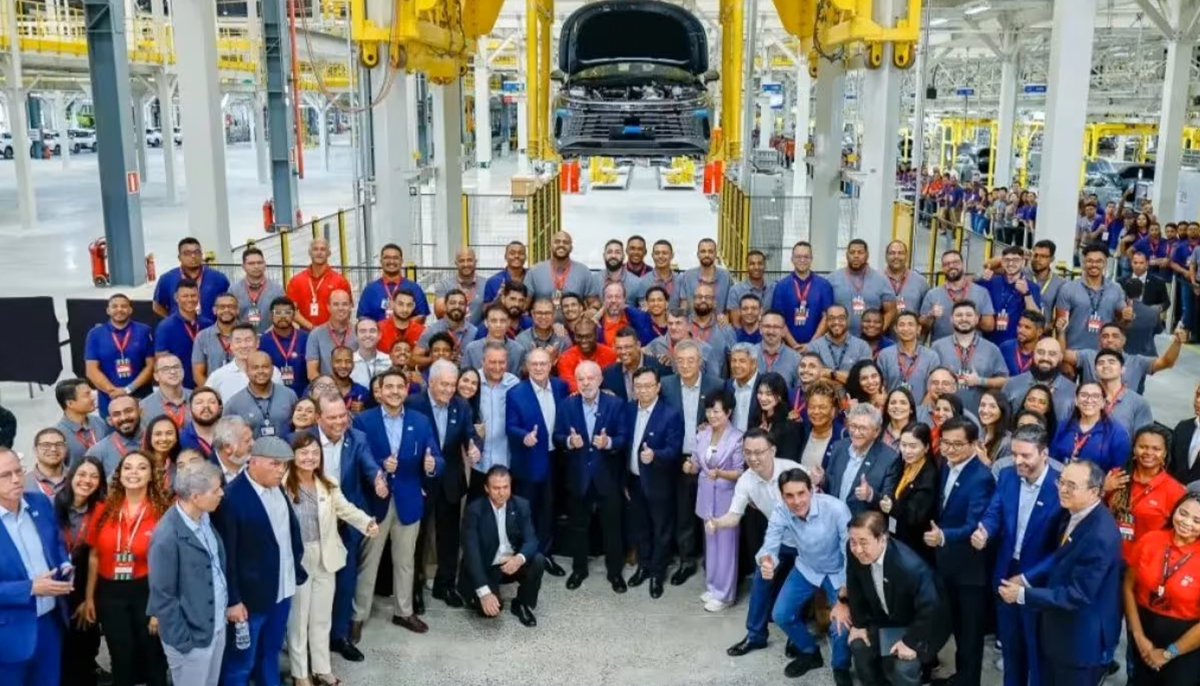
BYD reached its 14-millionth NEV production milestone in 2025, with the vehicle rolling off the assembly line at its Brazilian factory
International markets are becoming increasingly important for the company. Between January and October 2026, BYD exported 1,513,154 NEVs, registering a 93.75% year-on-year increase. However, its domestic sales in China declined 27.81% to 2,108,590 units, while global sales were down 2.16% to 3,621,744 vehicles over the same period.
Technology remains another major part of BYD's growth strategy. In March 2026, the company introduced its second-generation Blade Battery alongside new flash-charging technology. BYD claims the system can charge a battery from 10% to 70% in five minutes and reach 97% in nine minutes.
BYD's Growing Presence in Nepal
BYD's journey has also made a significant impact in Nepal, where the brand has become a household name in the electric vehicle segment. Its growing popularity has been supported by an expanding range of electric cars catering to different budgets and customer requirements.
The current BYD lineup in Nepal includes the Atto 1, Dolphin, Atto 2, Atto 3, M6 and Sealion 7, covering everything from compact urban EVs to larger family vehicles and premium electric SUVs.

The company has also brought its luxury mobility brand, Denza. The local lineup includes the Denza D9, B5 and B8, extending its presence into the premium MPV and SUV segments.
BYD has also continued to expand its nationwide network, with 20 showrooms and more than 13 service centres across Nepal. This growing presence, alongside its expanding vehicle portfolio, has helped strengthen the brand's position in the country's increasingly competitive electric vehicle market.
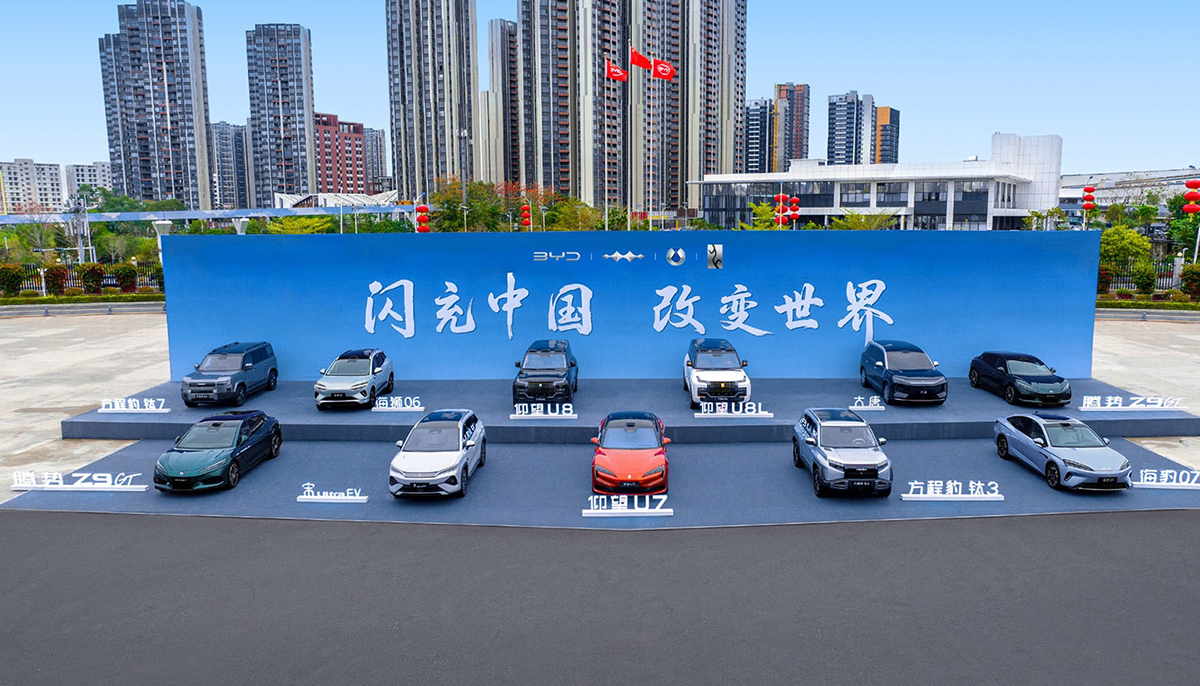
As BYD enters its 33rd year, its growth story is no longer limited to China. With expanding overseas manufacturing, rising exports and continued investment in battery and charging technology, the company is positioning itself for an increasingly global role in the automotive industry.
Changan Unveils SDA Pilot Intelligent Driving System
Jetour TX Electric SUV Debuts With 369 hp AWD and 550 km Range