
By the Numbers: Understanding Nepal’s Transport Sector Before the New Policy



Before Nepal begins implementing its new transport policy, it is important to understand the challenges that made a new direction necessary.
Over the past two decades, Nepal’s transport sector has transformed significantly. Roads have expanded into more regions, vehicle ownership has increased rapidly, and electric mobility has emerged as one of the biggest shifts in the country’s automotive landscape.

However, this growth has also exposed deeper challenges. A transport system heavily dependent on private two-wheelers, limited public transportation options, rising road fatalities, weak multimodal connectivity and increasing logistics costs have created the need for a fundamental rethink of how Nepal moves.

The National Transport Policy 2083, which replaces the previous framework introduced in 2058 BS, is built around addressing these challenges.

Here are the key numbers that explain Nepal’s transport reality.
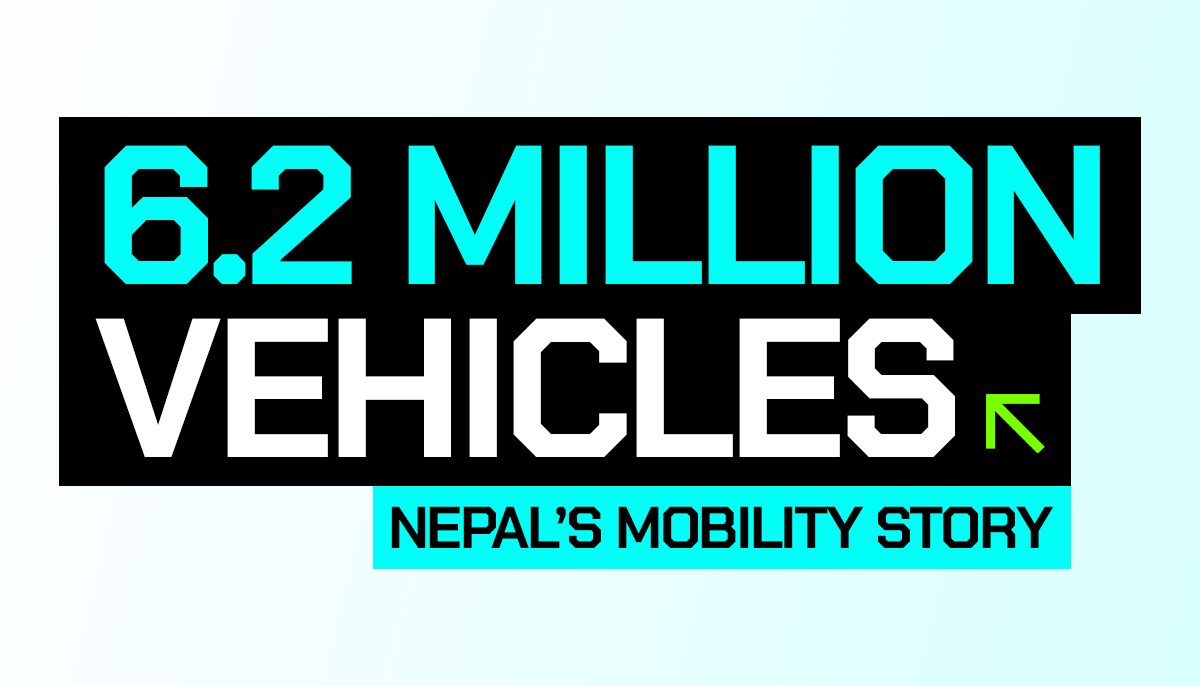
6.2 Million Vehicles: The Rapid Motorisation Story
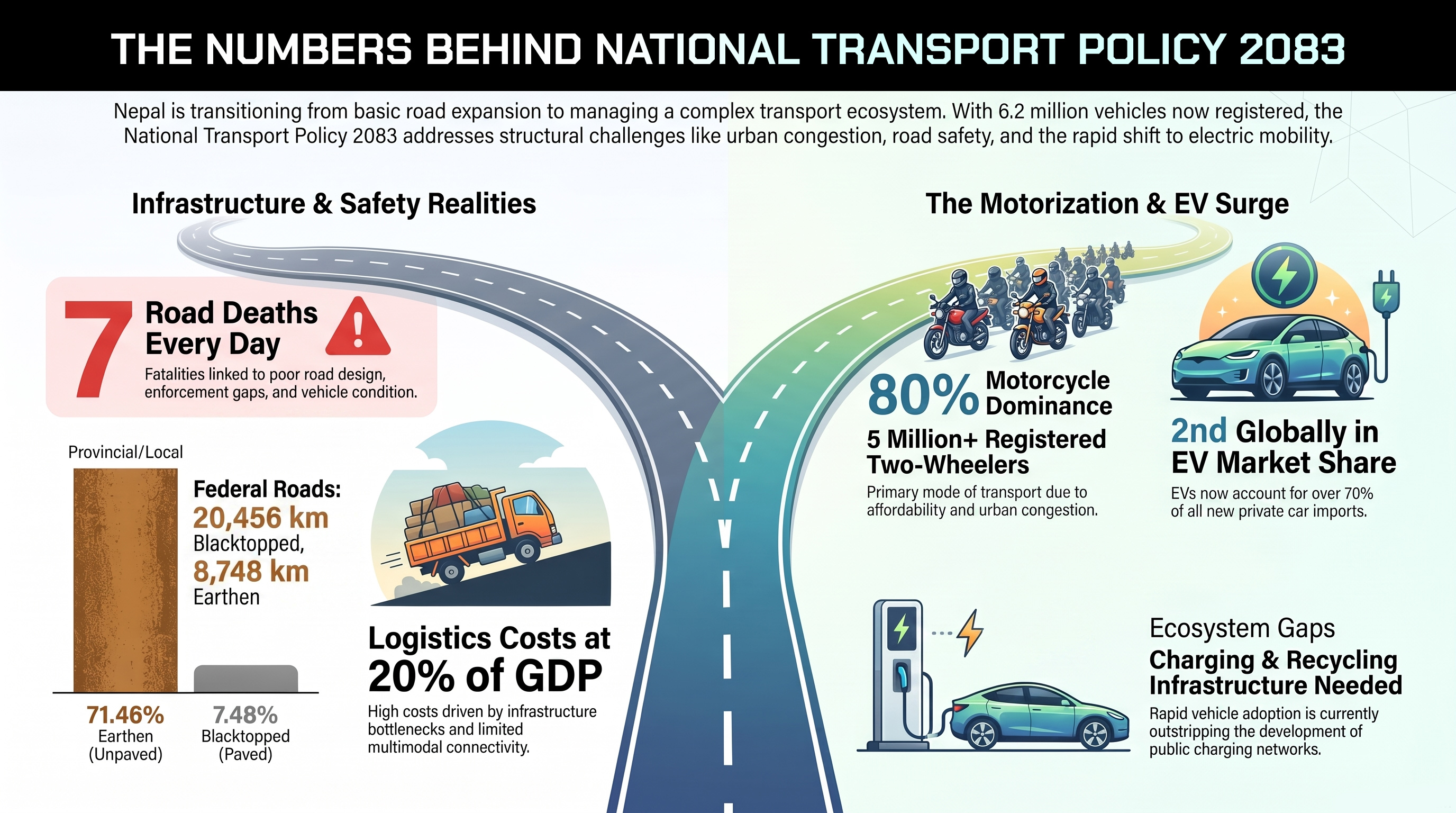
Nepal’s roads are becoming increasingly crowded, driven by a sharp rise in vehicle ownership. According to the latest transport sector assessment, Nepal had 6,249,732 registered vehicles by FY 2082/83.
However, the country’s vehicle landscape is heavily dominated by motorcycles. More than 5 million registered vehicles are two-wheelers, accounting for over 80% of the total vehicle fleet.
Motorcycles have become the preferred mode of transport due to affordability, lower running costs and easier mobility through congested urban roads. But this rapid growth has also created new challenges like increasing traffic congestion in major cities, greater exposure to road accidents, higher pressure on existing road infrastructure and growing urban air pollution.
The dominance of motorcycles highlights one of Nepal’s biggest mobility challenges — the lack of efficient alternatives for daily transportation.
36,806 km of Federal Roads: Expansion with Uneven Quality
Nepal’s road network has expanded significantly, improving access across the country.
The federal road network has reached 36,806 km, including:
- 20,456 km of blacktopped roads
- 7,602 km of gravel roads
- 8,748 km of earthen roads
Beyond federal roads, provincial and local governments have developed approximately 68,100 km of roads. However, much of this network still lacks proper surfacing:
- Only 7.48% of provincial and local roads are blacktopped
- 21.06% are gravel roads
- 71.46% remain earthen roads
While connectivity has improved, road quality, maintenance and climate resilience remain major concerns.
Nepal currently has around 3,652 bridges, while several major infrastructure projects — including the East-West Highway, Mid-Hill Highway, Postal Highway and Kathmandu-Tarai Fast Track — continue to reshape the country’s transport network.
The completion of projects such as the 2.688 km Nagdhunga Tunnel and progress on the 1.126 km Siddhababa Tunnelalso mark a new phase of infrastructure development.
EV Revolution: 63,280 Electric Vehicles and Growing
Few areas of Nepal’s automotive sector have changed as rapidly as electric mobility. The country has witnessed a significant rise in EV adoption, supported by tax incentives, lower operating costs and growing awareness around cleaner transportation.
Nepal had 63,280 registered electric vehicles by FY 2082/83, while electric vehicles accounted for more than 70% of new private car imports.
Nepal has also emerged as one of the world’s fastest-growing EV markets, ranking second globally behind Norway in EV market share for new vehicle sales.
However, the rapid transition has also highlighted new challenges. The EV ecosystem still needs improvement in areas such as: Public charging infrastructure, Battery-swapping systems, Battery recycling and disposal, Long-term planning for reduced fossil fuel revenue
The next stage of Nepal’s EV journey will depend on whether infrastructure can keep pace with vehicle adoption.
Public Transport: The Biggest Missing Piece
While private vehicle ownership has grown rapidly, public transport has struggled to evolve at the same pace.
Nepal’s public transport system continues to face challenges including: Aging vehicle fleets, Poor service quality, Fragmented ownership, Inefficient route planning and Lack of integrated networks.
Most public transport services are operated by individual owners rather than organised transport companies, making coordinated planning difficult.
Major urban areas, especially Kathmandu Valley, still lack modern mass transit solutions such as: Bus Rapid Transit (BRT), Mass Rapid Transit (MRT) and Integrated electric bus networks.
The result is a transport system where many people depend on private vehicles because reliable alternatives remain limited.
Seven Road Deaths Every Day: Nepal’s Safety Challenge
Despite improvements in technology and enforcement systems, road safety remains one of Nepal’s biggest challenges.
The transport sector assessment highlights that an average of seven people lose their lives every day in road crashes across Nepal. The issue goes beyond driver behaviour. Road safety challenges are linked to multiple factors: Road design, Vehicle condition, Enforcement gaps, and Emergency response limitations.
While technologies such as smart driving licences, embossed number plates and digital enforcement systems have been introduced, crash numbers remain a major concern.
Beyond Roads: Nepal’s Transport Network Remains Fragmented
Nepal’s transport system extends beyond highways, but other modes remain in different stages of development.
Railways: Nepal’s railway network is still developing. Passenger railway services operate on the Jaynagar–Janakpur–Bhangaha route. Cargo railway operations are expanding through the Nepal-India border connection while studies are underway for future routes including Birgunj–Kathmandu and Kerung–Kathmandu.
Aviation: Nepal currently has 35 operational domestic airports out of 54. Gautam Buddha International Airport and Pokhara International Airport are operational, while future aviation projects continue to be studied.
Ropeways and Water Transport: Cable cars have expanded mainly through tourism and pilgrimage projects, while plans for passenger terminals on rivers such as Koshi and Narayani are under development.
Logistics Costs Remain a Major Challenge
For a landlocked country, efficient transport connectivity is critical. However, Nepal’s logistics costs remain among the highest challenges for economic competitiveness. Transport-related costs account for up to 20% of Nepal’s GDP, driven by: Infrastructure bottlenecks, Border delays, Limited multimodal connectivity, and Inefficient transport networks. Better integration between roads, railways, trade hubs and other transport modes remains essential for reducing costs.
The Changing Face of Nepal’s Mobility Sector
The numbers reveal a transport sector going through a major transition. Nepal has moved from a country focused primarily on expanding road access to one dealing with a new set of challenges — millions of vehicles, rapid EV adoption, urban congestion and the need for safer mobility.
The new National Transport Policy 2083 is a response to these changing realities. But before looking ahead, understanding where Nepal stands today is equally important. The future of mobility will depend not only on how many vehicles are added to the roads, but on how efficiently, safely and sustainably the country moves.





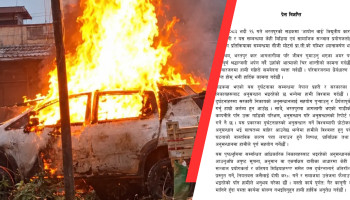
GAC Motor Nepal Issues Statement on Aion Y Fire Incident in Bharatpur

Changan Nevo Q05 Launched in Chitwan

Changan Nevo Q05 Set to Launch in Chitwan Next Week
