Nepal’s Mobility Future Takes Centre Stage as NAIMA Nepal Mobility Expo 2026 Opens



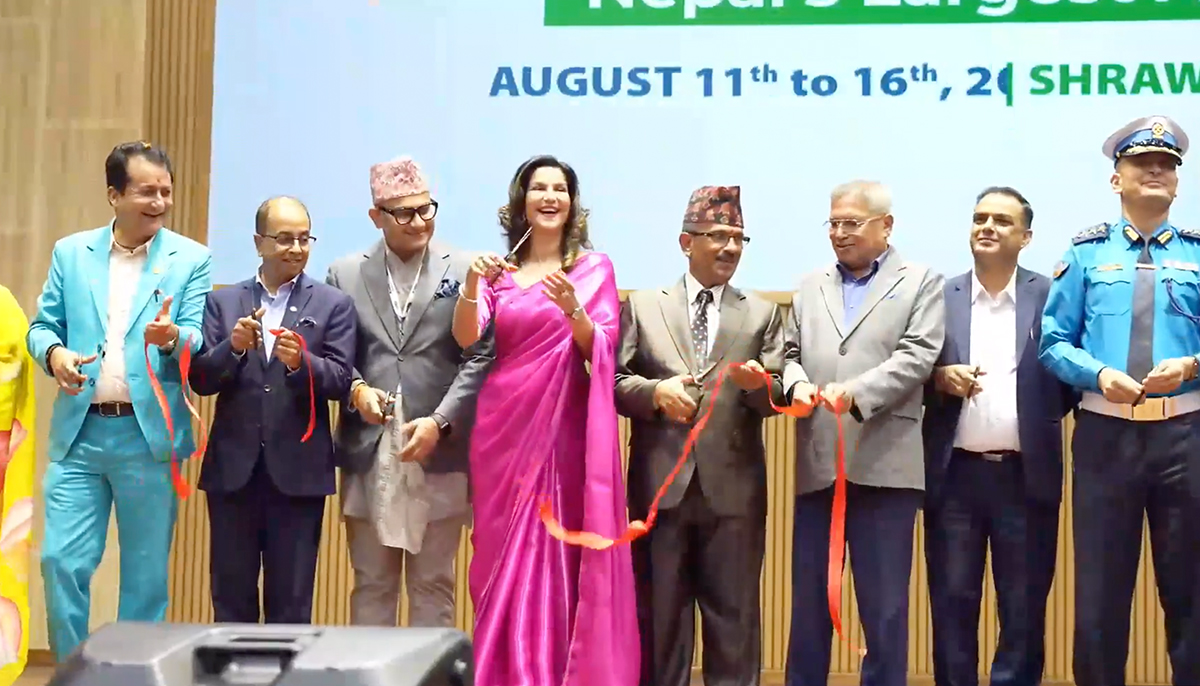
Nepal’s automobile industry has come together in Kathmandu as the second edition of the NAIMA Nepal Mobility Expo 2026 officially opened today at Bhrikutimandap Exhibition Ground, putting the country’s rapidly changing mobility landscape firmly in the spotlight.
The six-day exhibition, running from August 11 to 16, brings together more than 55 brands, 51 exhibition stalls and over 40 new vehicle and mobility product launches, making it one of the biggest automotive events in Nepal this year.


The inauguration brought together senior representatives from the government, Nepal Police, transport-related organisations, the private sector and the automobile industry. The presence of senior police and government officials also highlighted how closely the future of mobility is linked with road safety, infrastructure, regulation and public policy.

The expo features a broad mix of electric vehicles, hybrids, passenger vehicles, two-wheelers, commercial vehicles, charging solutions, automotive technologies and mobility services. It also includes learning sessions and other activities aimed at giving visitors a broader understanding of the direction in which Nepal's mobility sector is heading.


For automotive enthusiasts, the expo provides an opportunity to see a wide range of vehicles and technologies in one location. For prospective buyers, it offers a chance to compare brands, products and mobility solutions, while the knowledge sessions provide a wider perspective on emerging technologies and the future of transportation in Nepal.

NAIMA moves from an association to an industry platform
Delivering the inaugural address, Ritu Singh Vaidya, President of NAIMA, welcomed participants to the second edition and reflected on the association's rapid growth since its establishment.
Vaidya said NAIMA was formed a year ago with the objective of bringing automobile manufacturers and importers under one roof. The organisation began with 21 member companies and has now grown to 36 member companies, which she said demonstrates the industry's confidence in its common purpose.
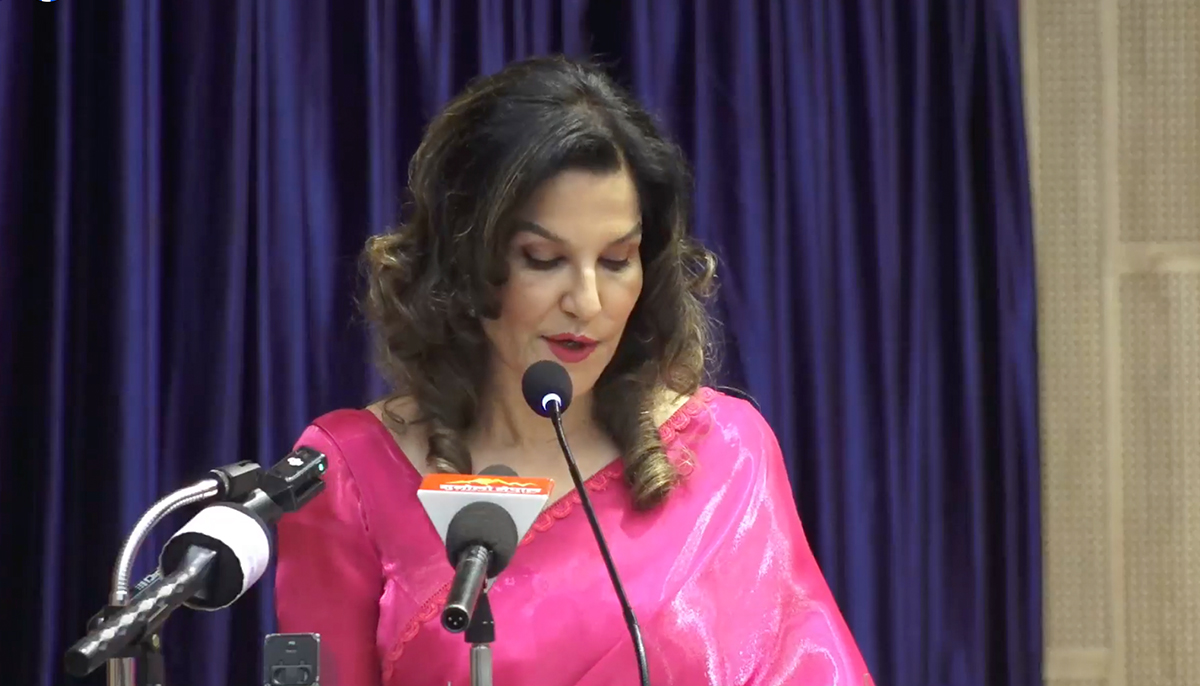
She described NAIMA as an action-led organisation, with its priorities extending beyond traditional industry representation.
Policy advocacy, road safety awareness, technical knowledge sharing and enhancement of industry capabilities are among its key areas of focus. NAIMA also intends to work with relevant partners on wider mobility issues through initiatives such as NAIMA Mobility Sambad, creating a platform for discussion between industry, government and other stakeholders.
The association's broader objective, Vaidya said, is to play a meaningful role in shaping Nepal's mobility ecosystem rather than simply representing automobile businesses.
'Mobility is more than a vehicle'
Vaidya's address placed strong emphasis on NAIMA's mission of "Mobility for All."
She said mobility is not simply about owning or operating a vehicle, but about access and opportunity.
This, she argued, means mobility should not be viewed as a luxury or primarily as a source of government revenue. Instead, it should be recognised as a necessity that enables people to access employment, education, business and other opportunities. For that to become a reality, Nepal needs safer roads, skilled manpower and extensive charging infrastructure, she said.
At the same time, NAIMA supports the government's broader goal of cleaner transportation and a greener economy. Vaidya said the industry should continue supporting this transformation as Nepal moves towards cleaner forms of mobility.
But the transition is also taking place at a time when vehicle technology is changing rapidly.
New powertrain technologies are emerging, and the traditional distinctions between different categories of vehicles are becoming increasingly complex. Against this backdrop, Vaidya stressed that classification, taxation and regulation should remain consistent across government bodies and the industry.
Industry calls for predictable policies
The NAIMA president also called for greater consultation between the government and industry before new policies are introduced.
She said NAIMA would continue working with stakeholders to promote constructive and consistent policymaking and urged the government to consult relevant stakeholders before making changes that directly affect the automobile and mobility sectors.
Several emerging issues require clear and practical policy frameworks, she said, including battery recycling, the feasibility of ethanol blending, local vehicle assembly, local value addition and technology transfer.
These issues are becoming increasingly important as Nepal moves beyond simply importing vehicles and begins considering the larger industrial and technological opportunities associated with the transition to new mobility.
FNCCI Chairman questions Nepal's treatment of automobiles
The concerns around taxation and government-industry collaboration were also strongly echoed by Anjan Shrestha, Chairman of FNCCI.
Shrestha said automobiles continue to be regarded as luxury goods in Nepal and argued that the country's high taxation structure is one of the main reasons.
Drawing on his earlier experience as president of the NADA Automobiles Association of Nepal, he said many of the problems he had witnessed years ago remain unresolved. Shrestha said the focus should not be placed only on vehicles, stressing that roads and other infrastructure must also be developed to an appropriate standard.
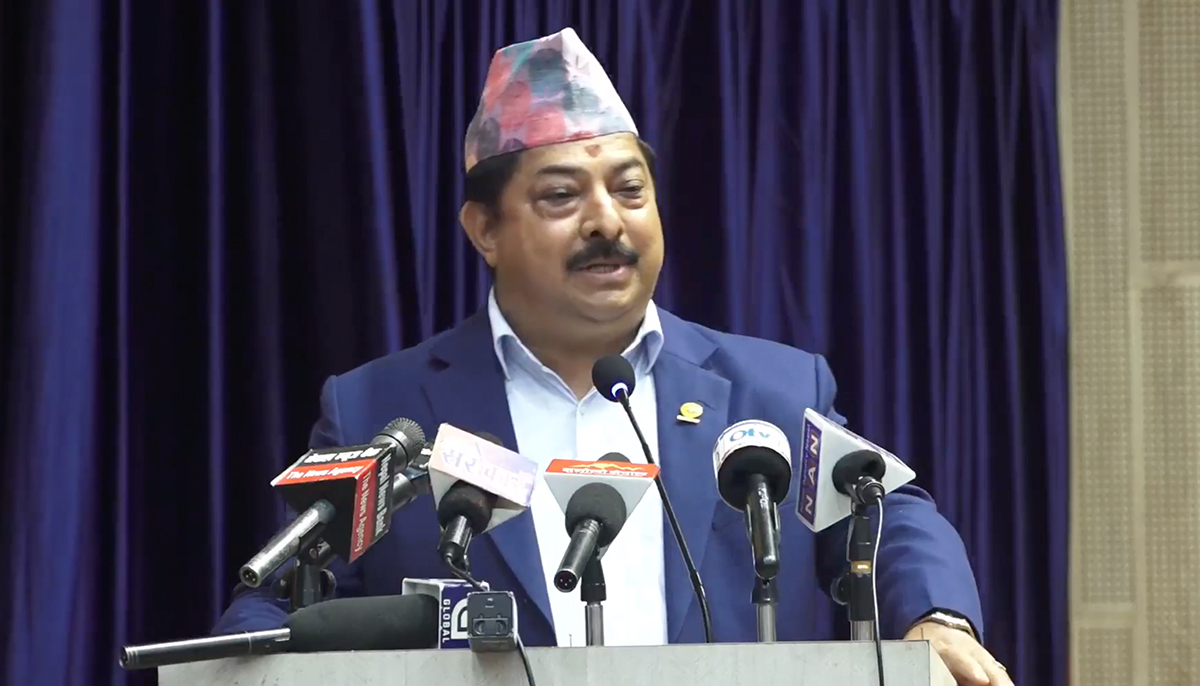
He called for proper collaboration and regular dialogue between the government and private sector. In particular, he highlighted the need for a scientific mechanism for determining public transport fares, saying such a system cannot be established without cooperation between the relevant parties.
He also called for stricter control of substandard spare parts and stronger quality checks, particularly at the Department of Customs. Shrestha further urged the government not to unnecessarily threaten or burden automobile entrepreneurs, noting that the sector contributes significantly to employment generation.
At the same time, he challenged the industry to take a more active role in Nepal's industrialisation, urging automobile businesses to establish vehicle assembly facilities in Nepal, particularly for cars.
Expo aims to create business as well as knowledge
For NAIMA, the expo is intended to be much more than a traditional automobile exhibition.
Vaidya said the event is a platform for bringing the various stakeholders of the mobility ecosystem together. The objective is not only to create large volumes of business but also to impart knowledge and make mobility more accessible.
That broader approach is reflected in the diversity of participants at this year's exhibition. Alongside vehicle manufacturers and importers, the expo brings together businesses involved in charging infrastructure, automotive technologies and other mobility-related services.
With more than 55 brands and over 40 new launches, the event also provides a snapshot of the increasingly diverse technologies entering the Nepali market.
Preparations completed despite monsoon
Gaurav Sharda, Head of the Planning Committee of NAIMA Nepal Mobility Expo 2026, thanked everyone involved in bringing the second edition of the exhibition together.
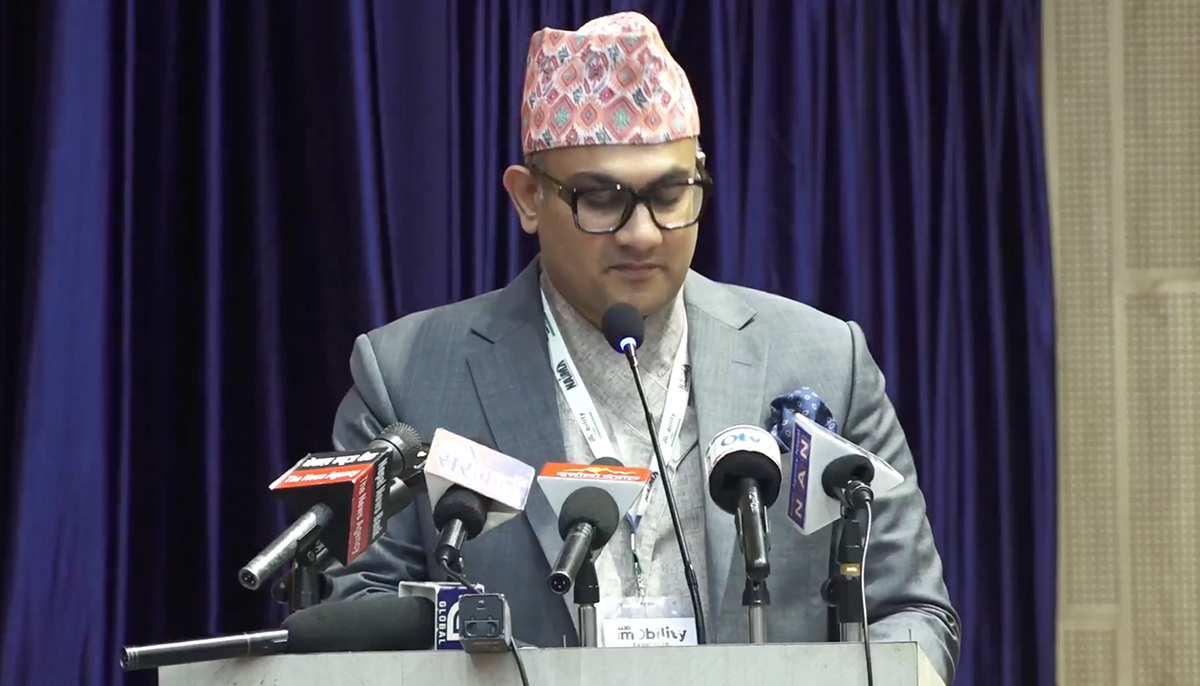
He said the organising team had completed the necessary preparations despite the ongoing monsoon season. Particular attention was given to parking, disability assistance and overall visitor management, alongside the broader operational requirements of the exhibition.
Sharda's comments underline the organisers' effort to make the event accessible not only to industry professionals but also to ordinary visitors and families attending the expo.
Senior officials underline wider mobility concerns
The participation of senior officials from the Nepal Police, government agencies and transport organisations at the inauguration also brought road safety and public mobility into the wider conversation.
The automobile industry's relationship with traffic management, road safety and enforcement is becoming increasingly important as the number of vehicles on Nepal's roads grows and vehicle technology evolves.
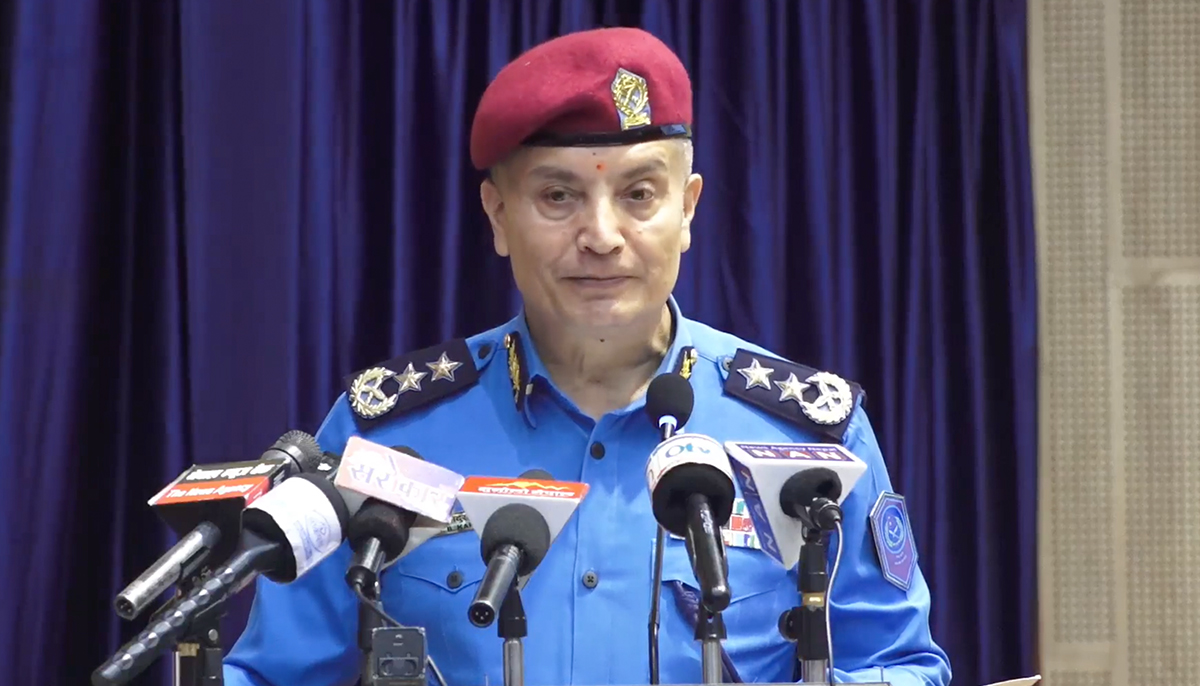
New vehicle technologies also require corresponding technical knowledge among agencies responsible for traffic management, regulation and public safety. NAIMA has previously identified road safety, workforce development and technical knowledge sharing among its areas of focus.
The presence of representatives from these institutions at the expo therefore reflects the broader shift in how mobility is being discussed in Nepal — from a conversation centred purely on vehicle sales to one involving infrastructure, safety, technology, regulation and public access.
Nepal needs a stronger exhibition ecosystem
Vaidya also raised an issue that extends beyond the automobile sector: Nepal's lack of a modern, well-equipped convention and exhibition centre. She said the country needs suitable infrastructure capable of hosting large national and international exhibitions and events.
A purpose-built facility, she argued, would help create a stronger event ecosystem and allow Nepal to host larger international programmes while giving domestic industries a better platform to showcase products, conduct business and exchange knowledge.
For an event that aims to bring together more than 55 brands and thousands of visitors, the limitations of existing exhibition infrastructure remain an important part of the conversation.
More than an auto show
The second edition of NAIMA Nepal Mobility Expo arrives at an important moment for Nepal's automobile industry.
The market is moving rapidly towards electrification, while hybrids and other emerging powertrain technologies are adding new layers to the mobility landscape. At the same time, questions around taxation, charging infrastructure, road safety, battery recycling, local assembly and technology transfer are becoming increasingly important.
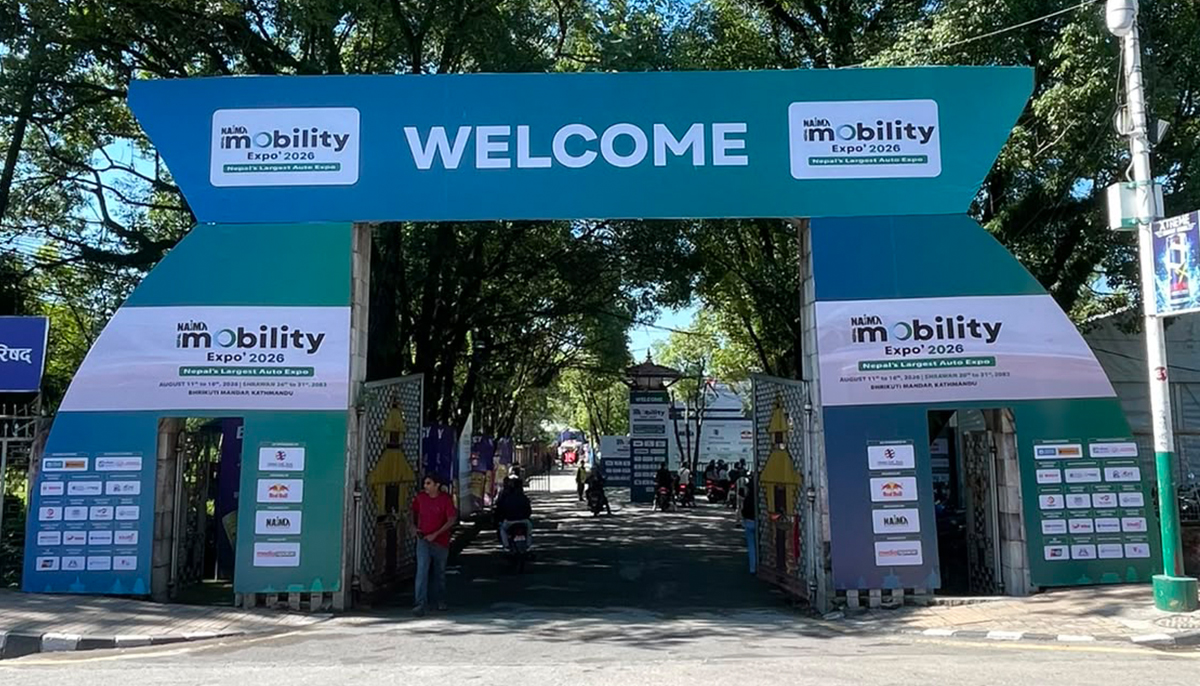
That makes this year's expo more than a display of new cars, motorcycles and commercial vehicles.
As the doors open at Bhrikutimandap, NAIMA Nepal Mobility Expo 2026 is effectively putting Nepal's mobility transition on display — not only through the vehicles on its stands, but through the much bigger debate about how the country will move in the years ahead.